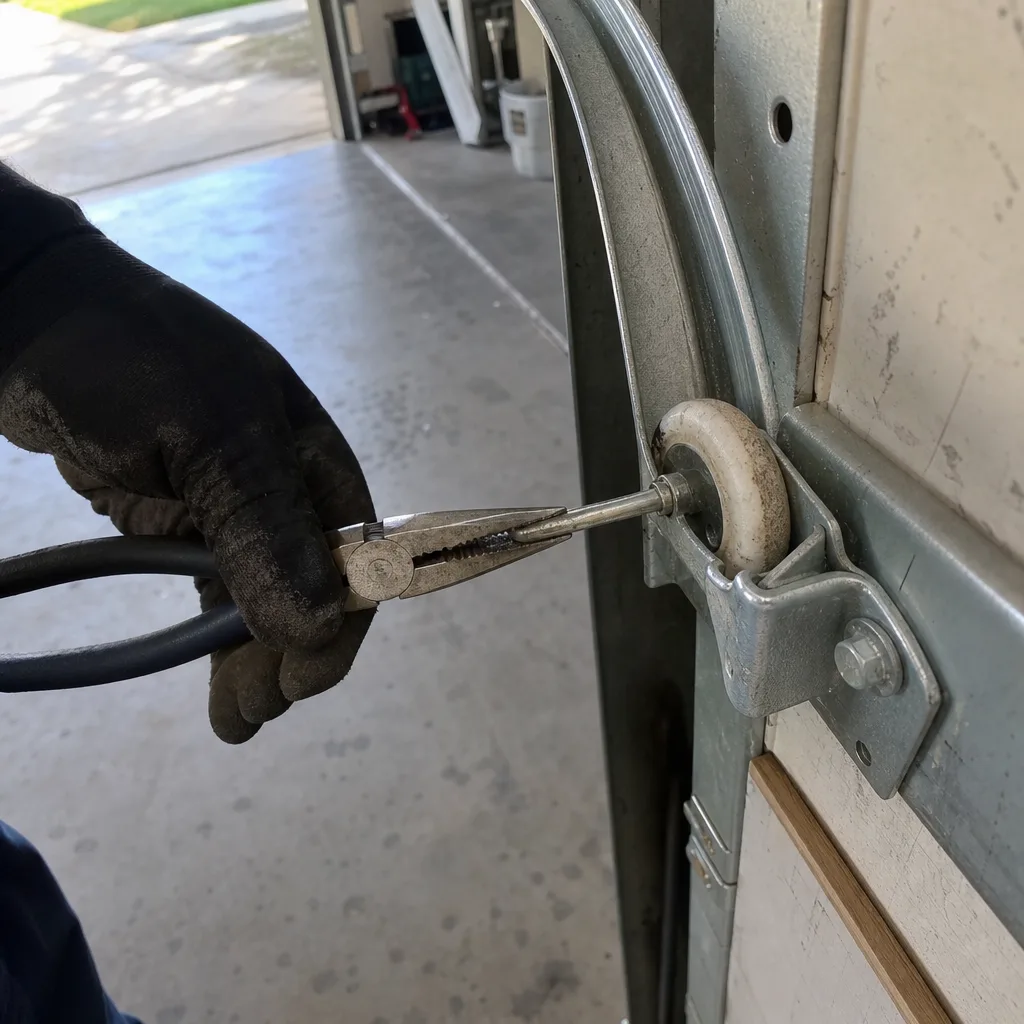
Last updated November 21, 2026
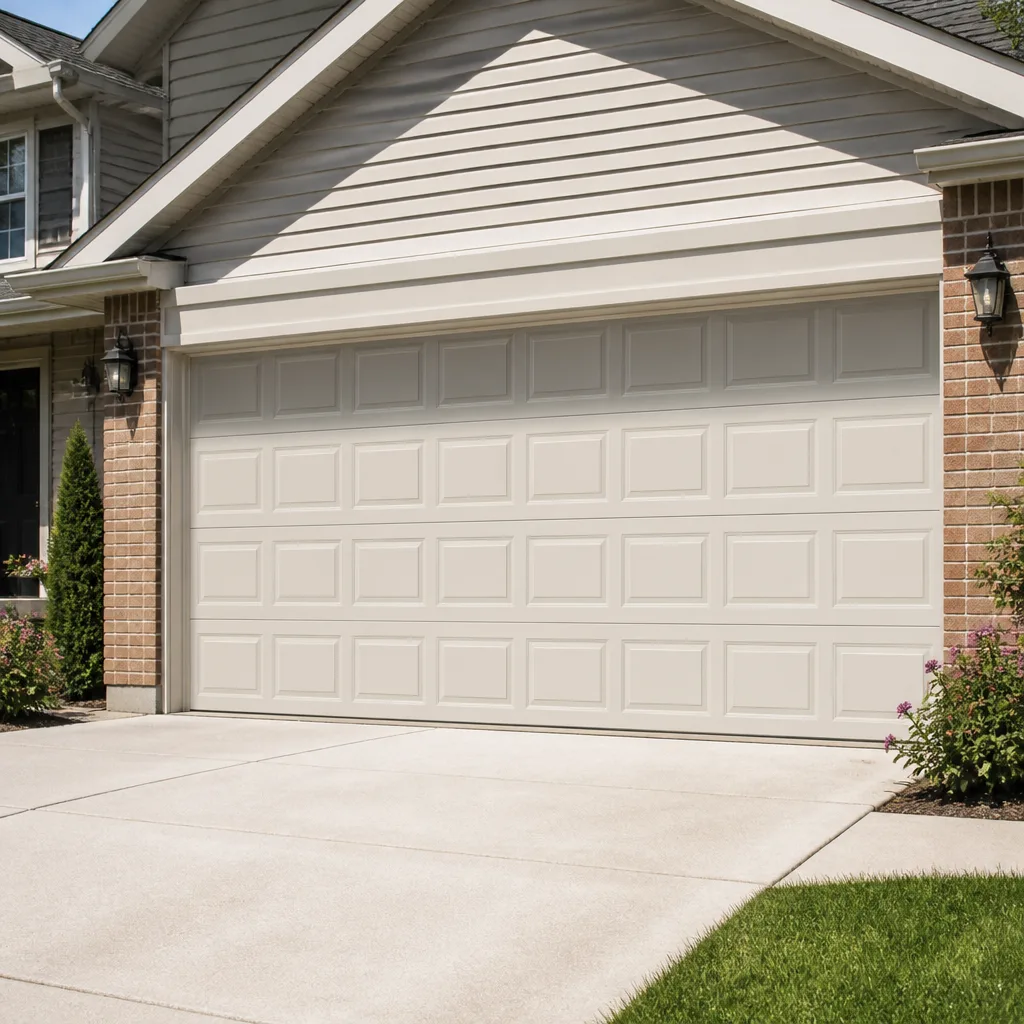 Raised-panel steel
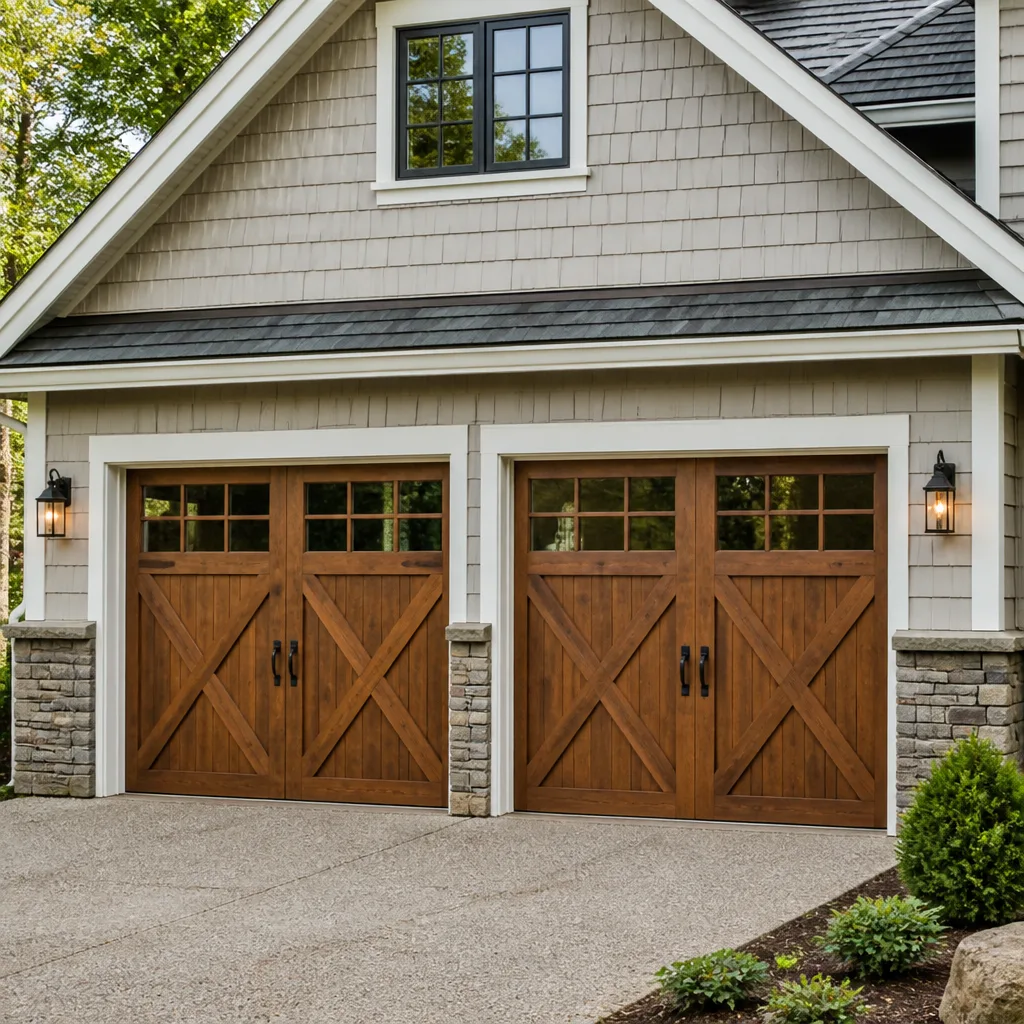 Carriage house
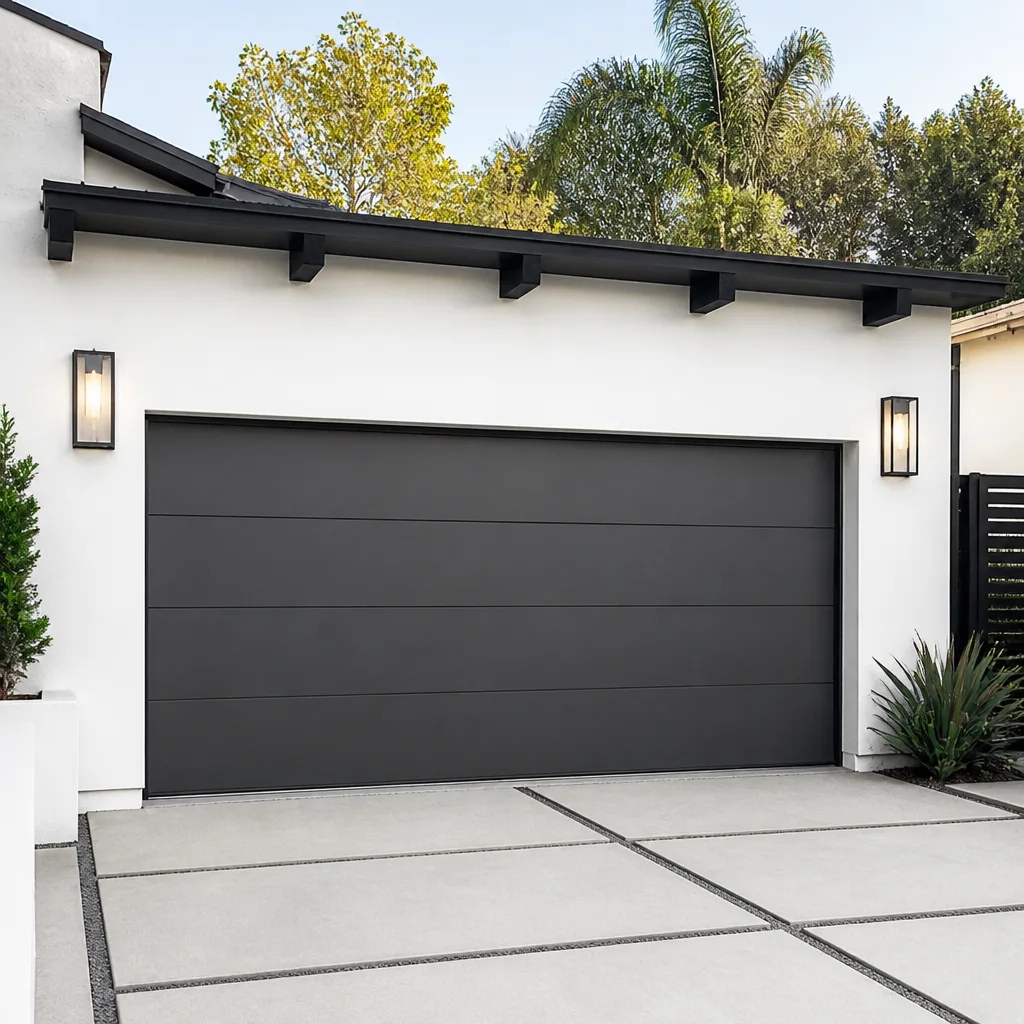 Modern flush
 Full-view glass
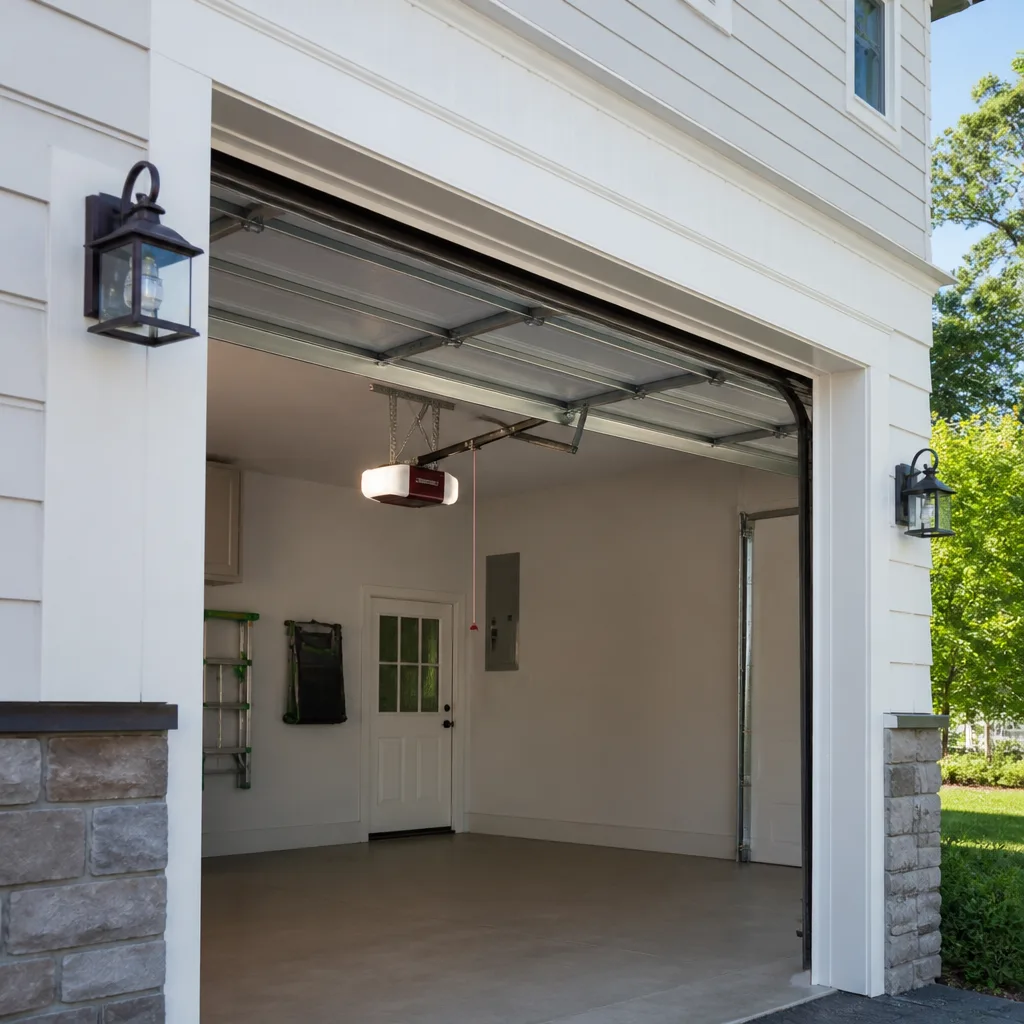 LiftMaster openers
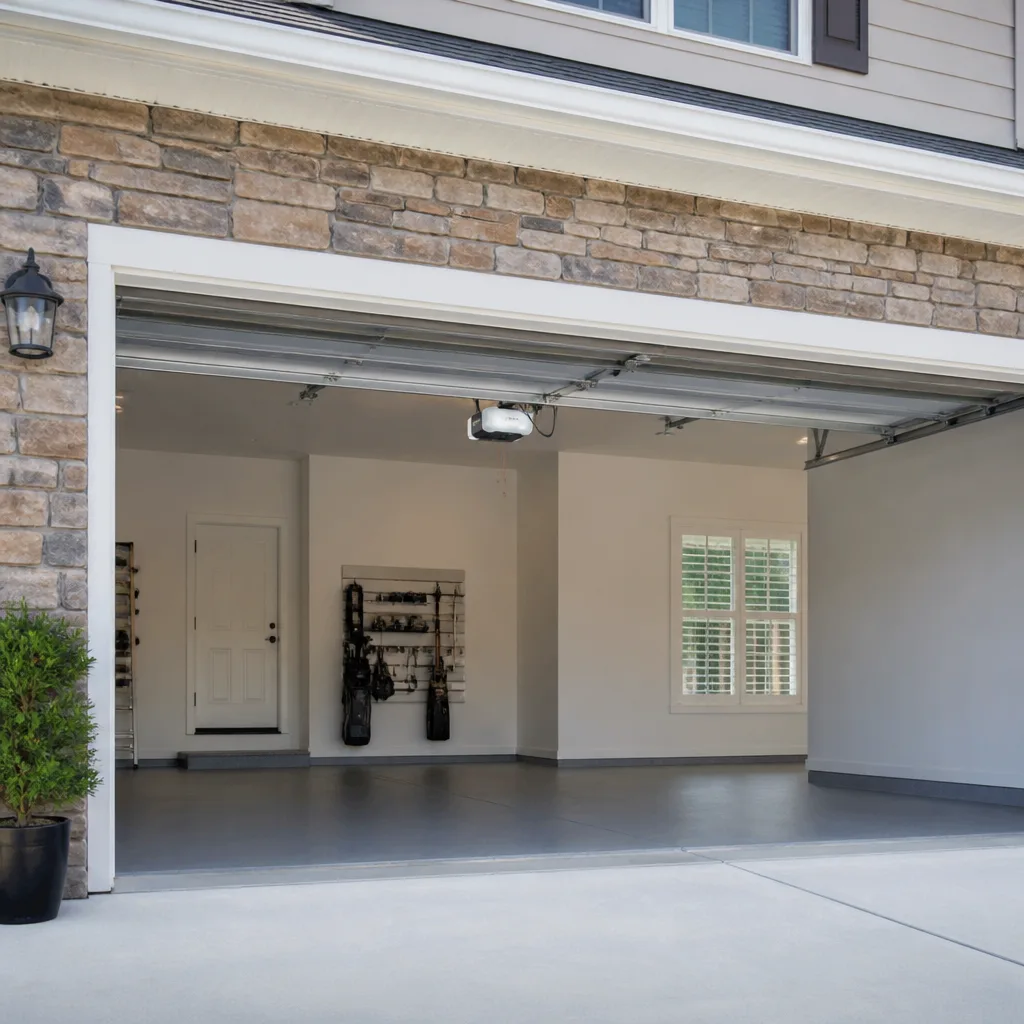 Chamberlain openers
Full 25-point door and opener safety check with every visit - springs, cables, rollers, tracks, and your LiftMaster or Chamberlain opener included
You get a price before we start. It does not change when the pro arrives.
Get your free estimateDIY vs Professional Garage Door: The Clear Lake Homeowner’s Decision Guide
Torsion springs store enough energy to cause permanent injury in under a second, and thousands of homeowners still watch a twelve-minute tutorial and reach for a winding bar. The problem isn’t laziness. It’s that no one explained the physics in plain terms, so the risk stays abstract until it isn’t. Here’s the honest version: the line between a safe DIY job and a dangerous one is much sharper than most guides admit, and it has nothing to do with how handy you are. This Clear Lake guide draws that line precisely, tells you which tasks are genuinely yours to handle, and shows you how to run the numbers on both sides.
Quick Answer
Weatherstripping, lubrication, sensor alignment, and remote reprogramming are safe DIY jobs. Anything involving torsion springs, cables, drums, or the horizontal track that carries door weight is not – the stored energy in a tensioned spring can release instantly and with enough force to break bones or worse, so those jobs belong to a trained technician. Opener rail installation on high ceilings sits in a gray zone that usually argues for a professional once you factor in the warranty.
Styles & brands we work with
- Raised-panel steel
- Carriage house
- Modern flush
- Full-view glass
- LiftMaster openers
- Chamberlain openers
Table of Contents
- The Physics Most DIY Guides Skip
- Tasks That Are Genuinely DIY-Safe
- Tasks That Look Safe but Carry Hidden Risk
- Warranty Implications of DIY Opener Installation
- How to Run the Honest Cost Math
- Why Brand Familiarity Changes the Decision
- Common Mistakes to Avoid
- When to Call a Professional
The Physics Most DIY Guides Skip
A typical two-car door weighs about 200 pounds, and the springs at the top of your track do most of the lifting so the opener only has to nudge the door along. Those springs hold somewhere between 150 and 200 foot-pounds of torque when fully wound. If that number means nothing to you, that’s the whole problem, because the number that matters isn’t the torque – it’s how fast it releases.
When a torsion spring lets go, it unwinds in a fraction of a second. The winding bars shoot out of the drum with enough force to punch through drywall. Cables snap back. The door itself drops. There’s no warning and no time to step back. And a spring under tension doesn’t care whether you’re a licensed tradesperson or a homeowner holding a bar; it releases the same way for both.
Here’s the part most Clear Lake homeowners don’t hear: the danger isn’t just replacement. Adjusting a spring that’s already wound carries the same energy. Even inspecting one requires knowing which parts are still under load. In our experience, the jobs that go wrong are rarely the ones where someone rebuilt the whole system – they’re the “quick adjustment” that turned into a hospital trip.
A trained technician approaches spring work with two things the DIY crowd doesn’t have: the specialty winding bars and safety gear that keep hands clear of the unwind path, and the experience to read a spring’s condition before touching it. Clear Lake Garage Door Repair treats spring replacement as a dedicated service precisely because it’s one of the most demanding jobs on any door.
Tasks That Are Genuinely DIY-Safe
Not every garage door task is a hazard. Several are simple, require basic tools, and cost you nothing to try. Here’s where a mechanically capable homeowner should feel completely comfortable:
- Weatherstripping replacement. The rubber or vinyl seal along the bottom of the door keeps rain, dust, and the occasional insect out. It pulls out of its aluminum channel and presses back in. No tension, no stored energy, no special tools.
- Lubrication. A small amount of garage-door lubricant on the rollers, hinges, and torsion bar keeps things quiet and cuts wear. White lithium grease or a silicone spray works; skip the heavy stuff that attracts grit.
- Sensor alignment. The two little eyes near the floor need to see each other. If the door reverses for no reason, one has been bumped. Straighten it by hand and the door usually closes fine.
- Remote reprogramming. Whether it’s a Chamberlain, a Genie, or an older unit, the manual walks you through a button sequence in a few minutes. Pairing a new remote or a keypad is a homeowner job.
- Track cleaning. Wiping the tracks with a damp cloth and checking for obvious debris costs a few minutes. Removing a leaf or a small toy is fine. Straightening a bent track is not.
These are the jobs where the worst outcome is that you waste a Saturday afternoon and a few dollars, and that’s an acceptable risk. If you’re renting a specialty tool or googling torque specs, you’ve crossed the line into the next section.
Tasks That Look Safe but Carry Hidden Risk
This is where most homeowners get burned – not on the obviously dangerous jobs, but on the ones that seem like a small extension of the easy stuff.
Cable tension adjustment
The cables running down the sides of the door are under load from the springs. Slack on one side means the door is riding crooked, and reaching up to snug a cable while the spring is still wound is exactly how people get hurt. Cable work and spring work are the same job with different parts.
Drum alignment
The drums at the top of each track are where the cables wind on and off. If a drum slips, the cable spirals off unevenly and can whip. Aligning a drum means releasing tension first, which puts you right back into spring territory.
Opener rail installation on 10-foot ceilings
Installing a new opener yourself on a standard seven-foot ceiling is a long afternoon with a ladder. On a ten-foot ceiling it’s a different job entirely – the rail needs a longer arm, the mounting hardware changes, and reaching the ceiling safely takes two people or a serious ladder setup. Falling from that height is the most common serious injury in this kind of work, and it’s a fall, not a spring, that usually causes it.
Horizontal track replacement
That track holds the entire weight of the door once it’s up. Remove the wrong bolt and 200 pounds come down on whatever’s underneath. Track work looks like carpentry but behaves like spring work.
If a job puts you within arm’s reach of a wound spring, a tensioned cable, or the weight of the door itself, it’s a professional job. For a genuine safety-critical spring failure, the right call is garage door repair, and it’s not a call you make after you’ve already tried it.
Warranty Implications of DIY Opener Installation
Opener installation is the most common DIY temptation, and the one where a small mistake can quietly void your coverage. When you buy a LiftMaster or Chamberlain unit at a big-box store, the warranty is typically conditioned on professional installation. Read the fine print: many manufacturers state clearly that a badly installed unit – a rail out of alignment, an opener running without a functioning safety reverse, a unit that won’t complete an obstruction test – can void the coverage.
The practical fallout is simple. If the opener fails because of a bad install, the manufacturer can point at the installation and decline to cover it. That leaves you paying for a replacement unit plus the labor you were trying to save. The few hundred dollars you save on a self-install gets wiped out the first time a warranty claim is denied.
The same logic applies to doors. If you hang a Clopay or Amarr door yourself and the door ends up out of square, the manufacturer can point at the installation regardless of whether the parts are at fault. And on the opener side, garage door opener repair gets complicated when the unit wasn’t installed to spec in the first place, because the tech has to diagnose a poorly mounted unit and a faulty one at the same time.
The safe way to keep the warranty intact is to let a professional do the install and buy through the manufacturer’s authorized channel. That’s the practical reason garage door opener repair and installation are jobs we handle as one service area – a unit installed correctly at the start rarely needs a warranty argument at the end.
How to Run the Honest Cost Math
Most DIY decisions are made with a simple subtraction: cost of a pro minus cost of parts equals savings. That math is wrong for garage doors. Here’s the honest way to run it.
- Add up the real parts cost. Not just what you think you need, but what you might buy and return. Genuine parts from the right brand often cost more than the knockoff version, and cheap springs stretch out faster.
- Add specialty tool rental if the job needs it. Winding bars, cable pullers, a tension gauge – these aren’t in the average garage, and the rental adds to the tab.
- Add the misordering risk. Ordering the wrong spring size, the wrong rail length, or the wrong track curve is common when you’re working from a photo of a sticker. That’s one return, one re-order, one more weekend lost.
- Add the hidden second visit if it goes wrong. A misordered part or a half-finished install often ends in a call to a tech anyway – except now they’re fixing your work before they fix the door.
- Add the cost of your own time. This isn’t a real expense, but it’s the true reason most DIY jobs drag on for weeks. A job that takes a pro ninety minutes can occupy an entire weekend of trial and error.
- Subtract the warranty you gave up. If the job is opener installation or door installation, the DIY saving is partly illusory because you’ve traded a warranty for a receipt.
For a simple weatherstrip replacement, the math almost always favors DIY. For a spring, a cable, or a whole-door installation, the math favors the pro almost every time, even before you get to the injury risk. Big-ticket jobs like garage door installation are the clearest case, because a failed installation costs far more to fix than to have done right.
Why Brand Familiarity Changes the Decision
One factor most DIY guides don’t mention: houses in Clear Lake don’t come with one standard door. A 1990s subdivision off Bay Area Boulevard is likely to have a LiftMaster opener and a builder-grade Clopay door. A newer rebuild might be running Genie with a high-lift Amarr setup. Fine if you know the brand. Frustrating if you don’t, because each one’s failure modes, adjustment points, and safety reverse settings look different.
Our technicians are trained and experienced on eight of the most installed brands in the country – LiftMaster, Chamberlain, Genie, Clopay, Amarr, Wayne Dalton, Craftsman, and Raynor. That means we know what’s already in your garage and what’s likely to give out next, without spending a diagnostic visit on discovery. For homeowners who don’t know their own equipment, the professional route is often faster and cheaper simply because there’s no guesswork about which part to order.
Parts sourcing is the other half of that. A tech who can get the right part today turns a two-week wait into one visit. A homeowner on a DIY path often can’t tell whether the local store’s spring is sized correctly, and every return adds days.
There’s also an inflation point worth stating honestly. Once a garage door is 15 or more years old, the aging components start failing in sequence. Repairing one part in isolation doesn’t stop the others from aging out, and a specialist can tell you which repairs make sense to do together and which can wait. That’s the difference between fixing a door and sinking money into it one weekend at a time.
Common Mistakes to Avoid
- Treating a spring as one part when it’s a matched pair. Replacing only the broken spring leaves the other one at a different tension, so the door rides crooked and the older spring usually fails next. Replace both at once.
- Using the wrong winding bar. A screwdriver or a piece of rebar isn’t a winding bar. Hardware-store substitutes bend or slip, and a slip is how the door drops.
- Buying cheap aftermarket springs. A discount spring that wasn’t made for the door’s lift weight will stretch, sag, and fail early, often while you’re still under the warranty period of the original.
- Skipping the obstruction test after any work. The safety reverse is what stops the door from closing on a person, a pet, or a child’s toy. It’s the first thing to re-check after any change, and a professional runs it as a matter of routine.
- Assuming “will call” opener codes are enough. Reprogramming a remote is a homeowner job, but a unit that forgets its code every few weeks is a signal the opener is failing. Ignoring that usually ends in a door that won’t open.
- Starting a track job on a slope without support. The horizontal track carries the door’s weight. A ladder on a sloped driveway is a fall waiting to happen, and it’s the most common reason a homeowner ends up calling us after a fall.
- Not asking about permits. Most cities require a permit for a garage-door replacement or a structural change to the opening and frame. Ask the Clear Lake city building department before you start, because the rules depend on the scope of work.
When to Call a Professional
Call a professional for any spring, cable, drum, or horizontal track work, for opener installation on high ceilings, for any door that’s come off its track, and for anything where you’d be reaching near a wound spring. Call immediately if you hear a loud bang from the garage and the door suddenly feels heavy – that’s a spring, and the door should not be used. Call before you attempt a big-ticket install if you want the warranty to stay intact.
Clear Lake Garage Door Repair offers free estimates in Clear Lake – call (833) 508-9162. The technician quotes the price and you agree to it before any work starts, so there’s no reading a surprise invoice afterward. Our technicians have up to 9 years of experience, and the work is done by local pros who are licensed and insured as their state requires.
See the difference
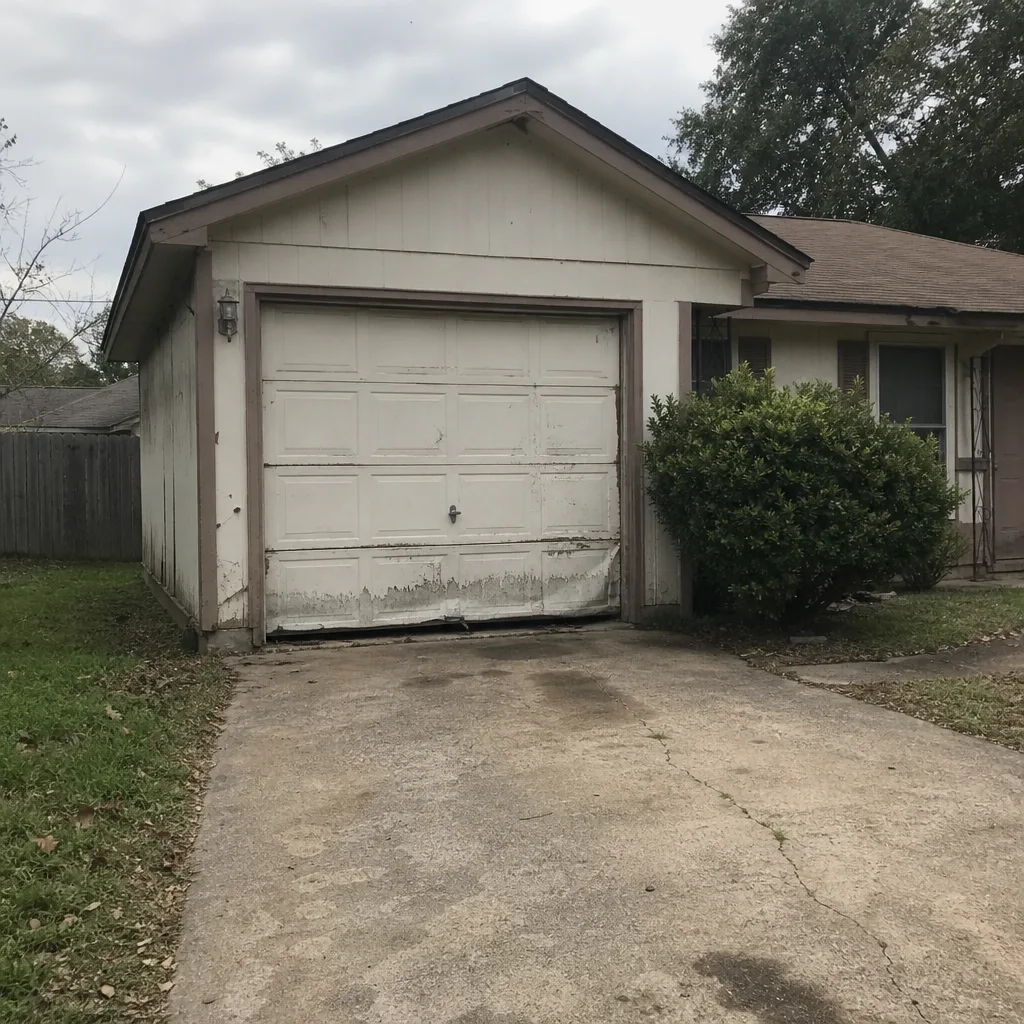 Before
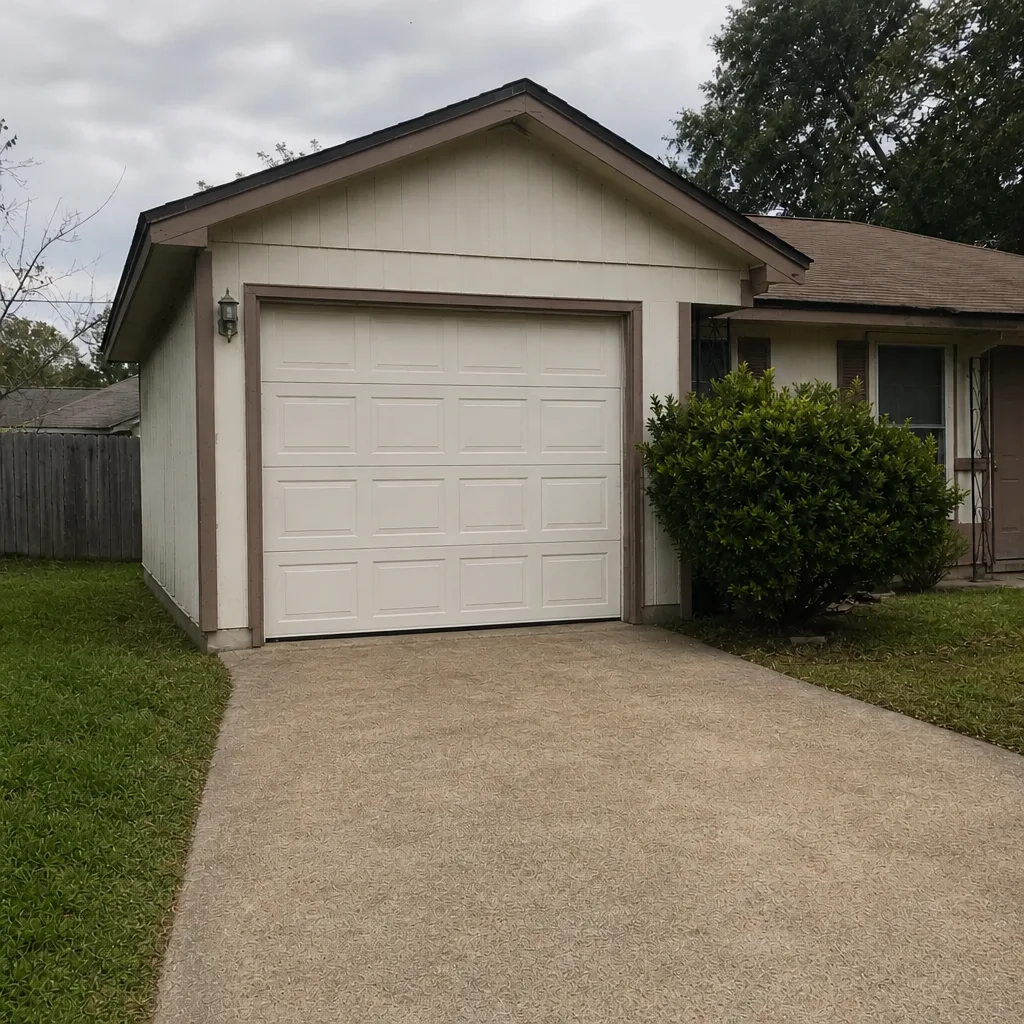 After
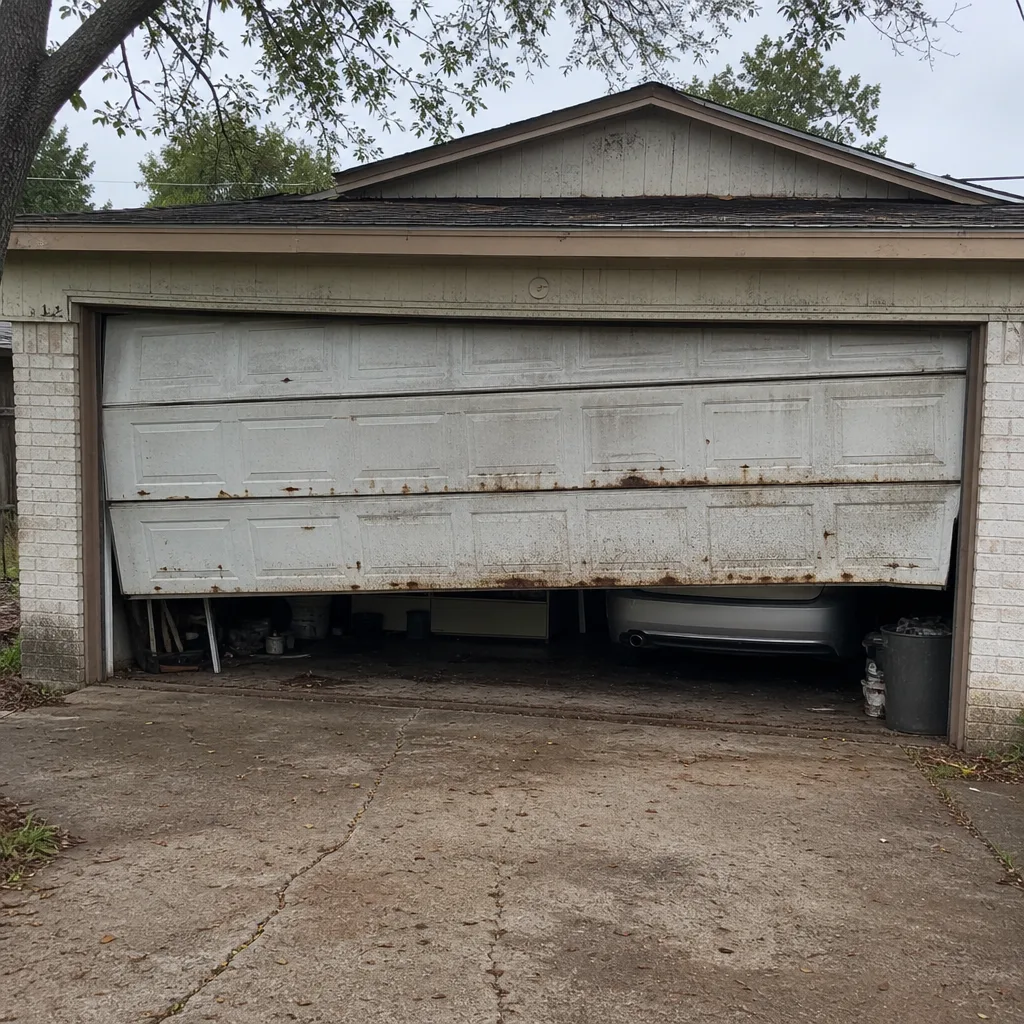 Before
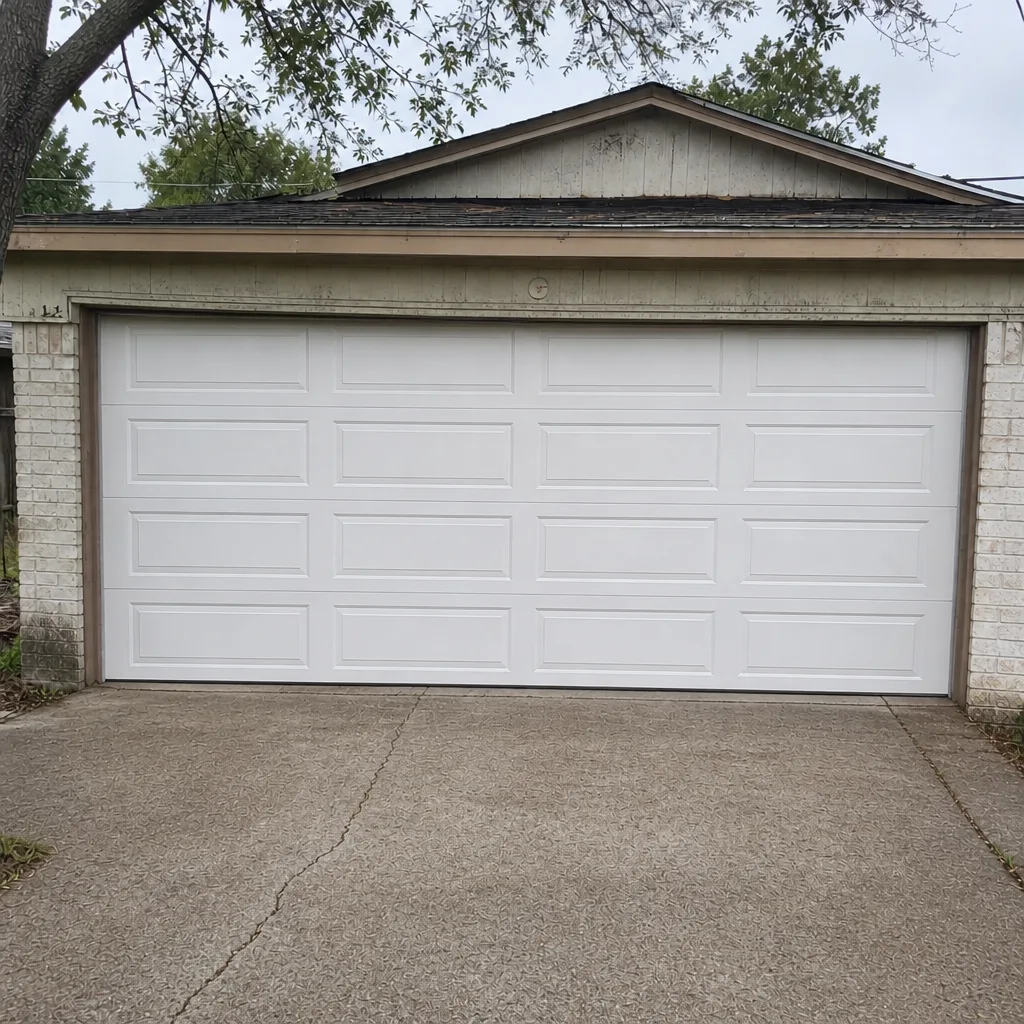 After
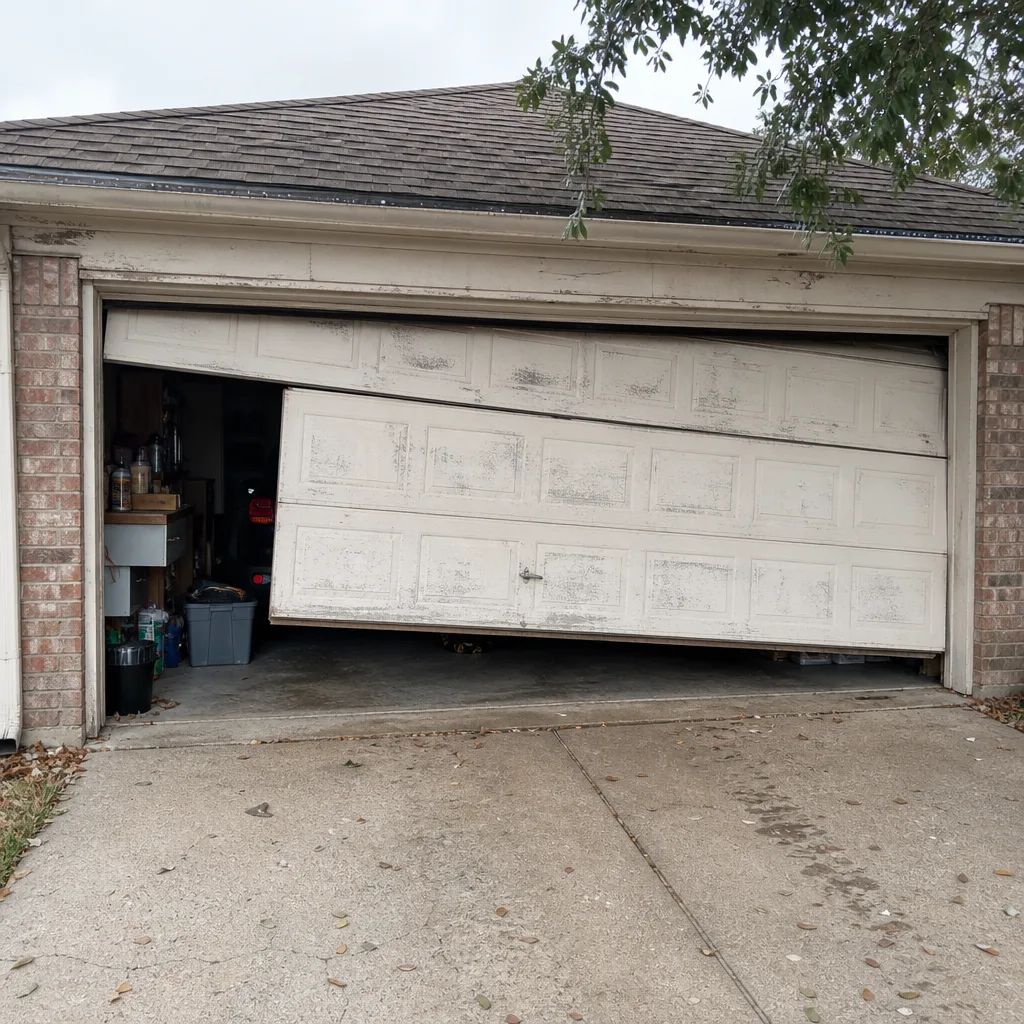 Before
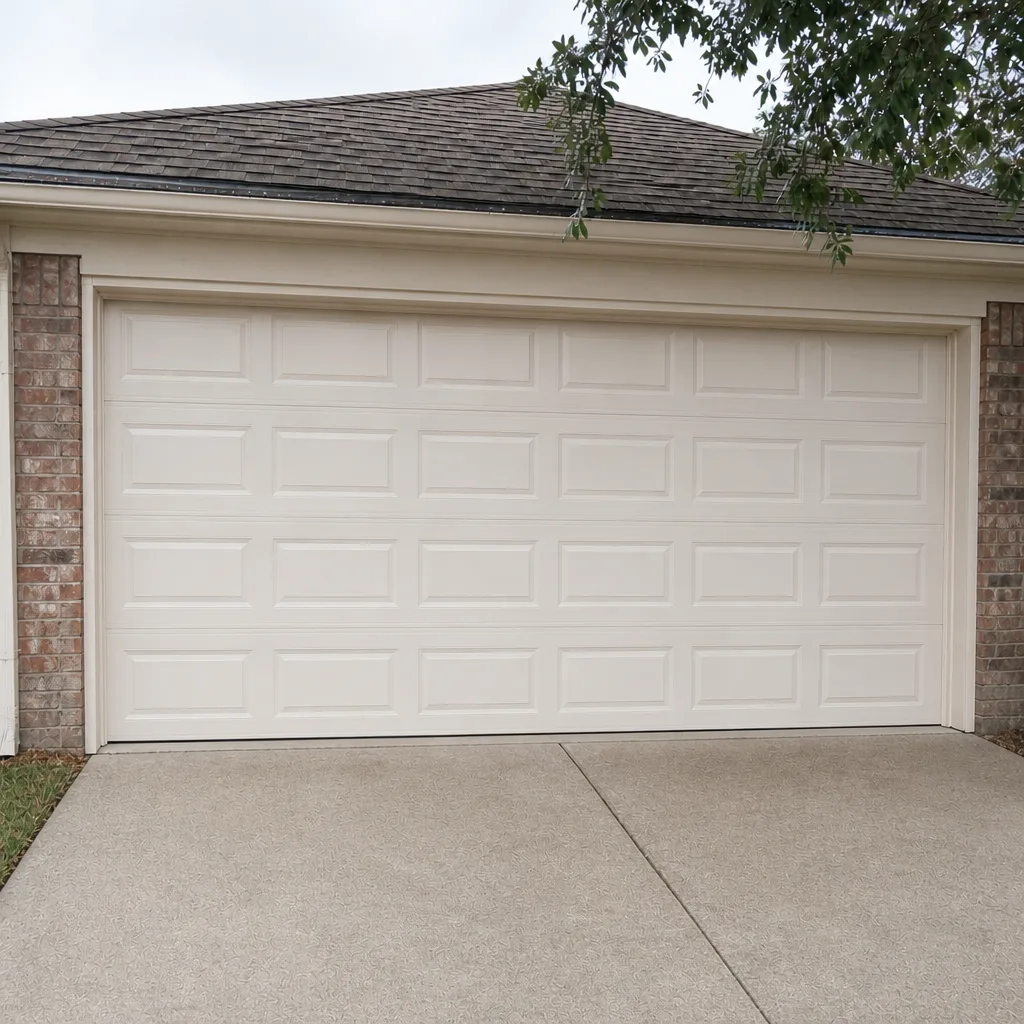 After
Frequently Asked Questions
No – torsion spring replacement is a professional job because the wound spring holds enough energy to cause instant, serious injury, and the specialty tooling and safety gear involved aren’t in a typical garage. Even adjusting a spring that’s already under tension carries the same risk. Call (833) 508-9162 and we’ll quote the repair before we start.
Weatherstripping replacement, lubrication, sensor alignment, remote reprogramming, and cleaning the tracks are safe to do yourself with basic tools. Anything that involves the springs, the cables, the drums, or the weight of the door is not. If the part you’re touching is under tension, step away and call a pro.
It can. Many LiftMaster and Chamberlain units sold at big-box stores condition their warranty on professional installation, and a unit that fails because of a bad install can be denied coverage. Ask about the warranty terms before you buy, then decide whether the savings justify the risk.
Usually less than the sticker price suggests. Once you add up specialty tool rental, the risk of ordering the wrong spring, and the cost of a professional fix afterward if the first attempt goes wrong, the savings shrink to near zero. For safety-critical work like springs, a professional repair is the safer financial choice.
Because a 200-pound door is typically counterbalanced by springs holding 150 to 200 foot-pounds of torque, and that energy releases in a fraction of a second when a spring snaps or slips off a winding bar. The release is what injures people, not the door itself. That’s why spring repair is treated as a separate, safety-critical service.
That depends on the scope of work, so ask the Clear Lake city building department before you start. A door-for-door swap often follows different rules than a structural change to the opening or the framing. When you get a professional estimate, ask which permits apply to your job.
The Bottom Line
The DIY question for a garage door isn’t about how handy you are. It’s about which tasks carry stored energy and which don’t. Weatherstripping, lubrication, sensor alignment, and remote programming are yours. Springs, cables, drums, horizontal track, and high-ceiling opener installation are not, and the math favors a pro once you account for tool rental, misordering, and lost warranty. Clear Lake’s mild winters mean doors last a long time here, but aging components still fail in sequence, so it pays to have a specialist look if the door is getting old. When you’re ready, call Clear Lake Garage Door Repair at (833) 508-9162 for a free estimate – the price is quoted and agreed before any work begins.
Written by the team at Clear Lake Garage Door Repair.