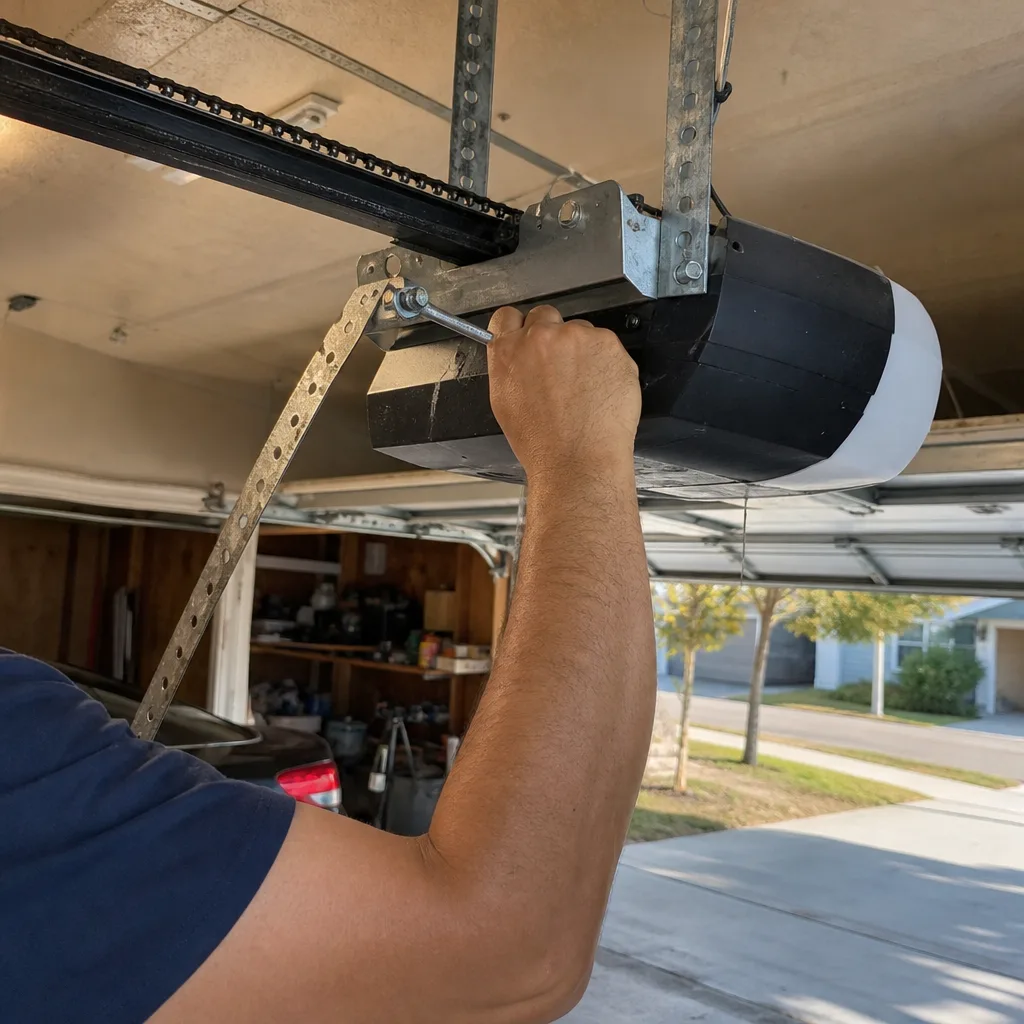
Last updated November 21, 2026
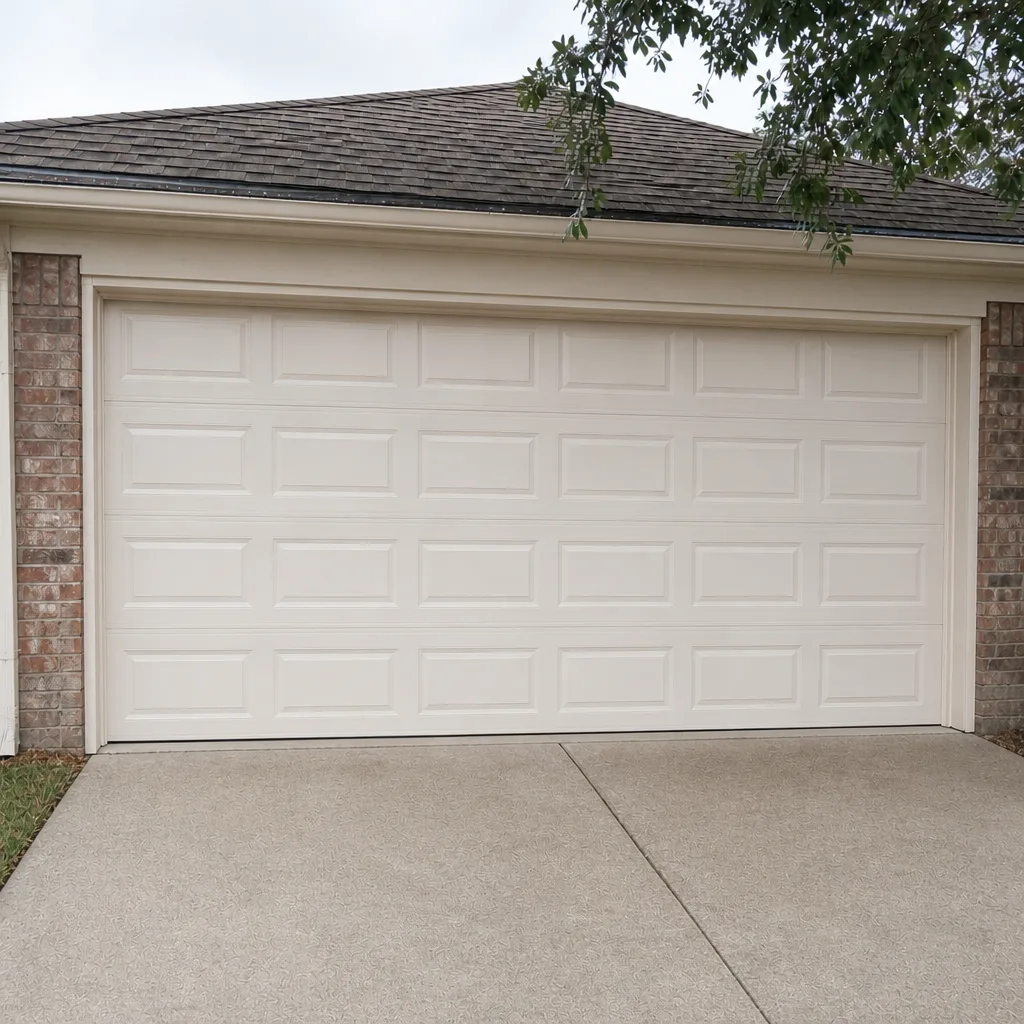
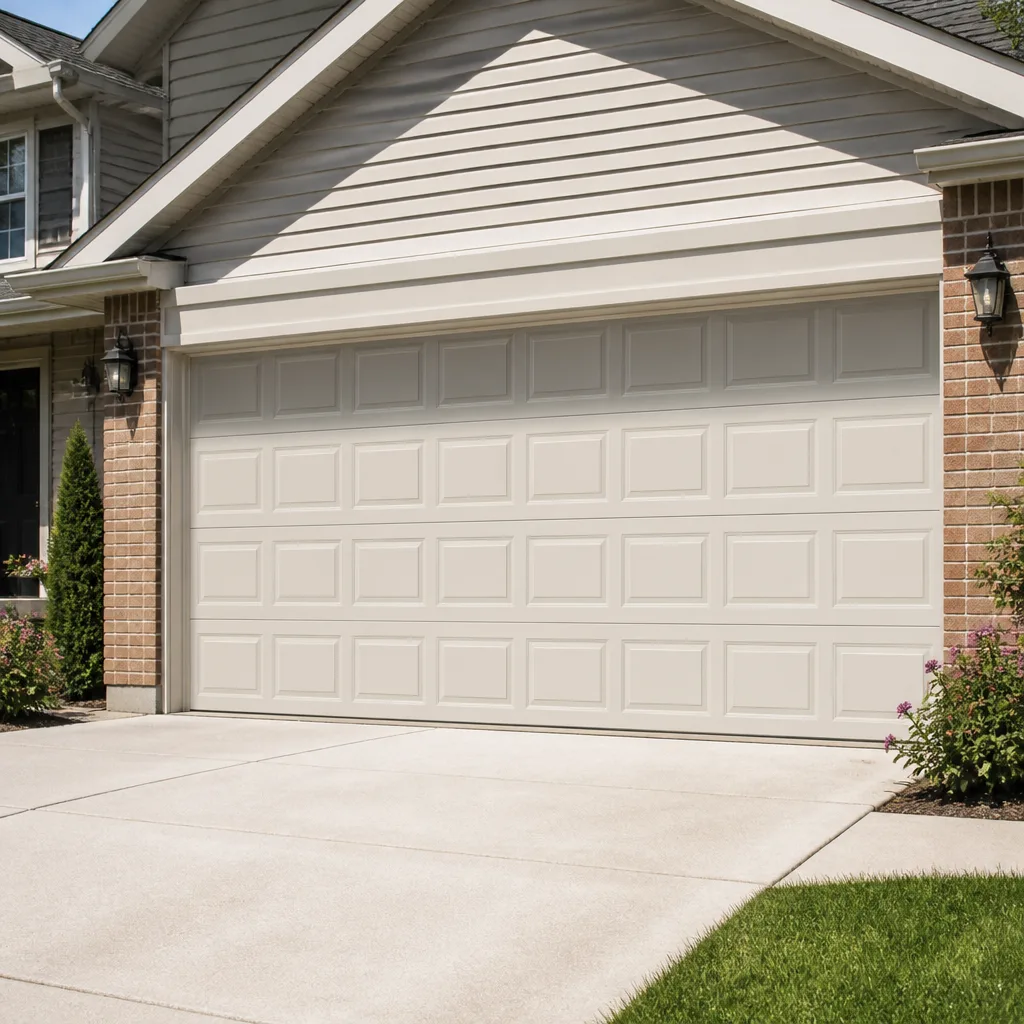 Raised-panel steel
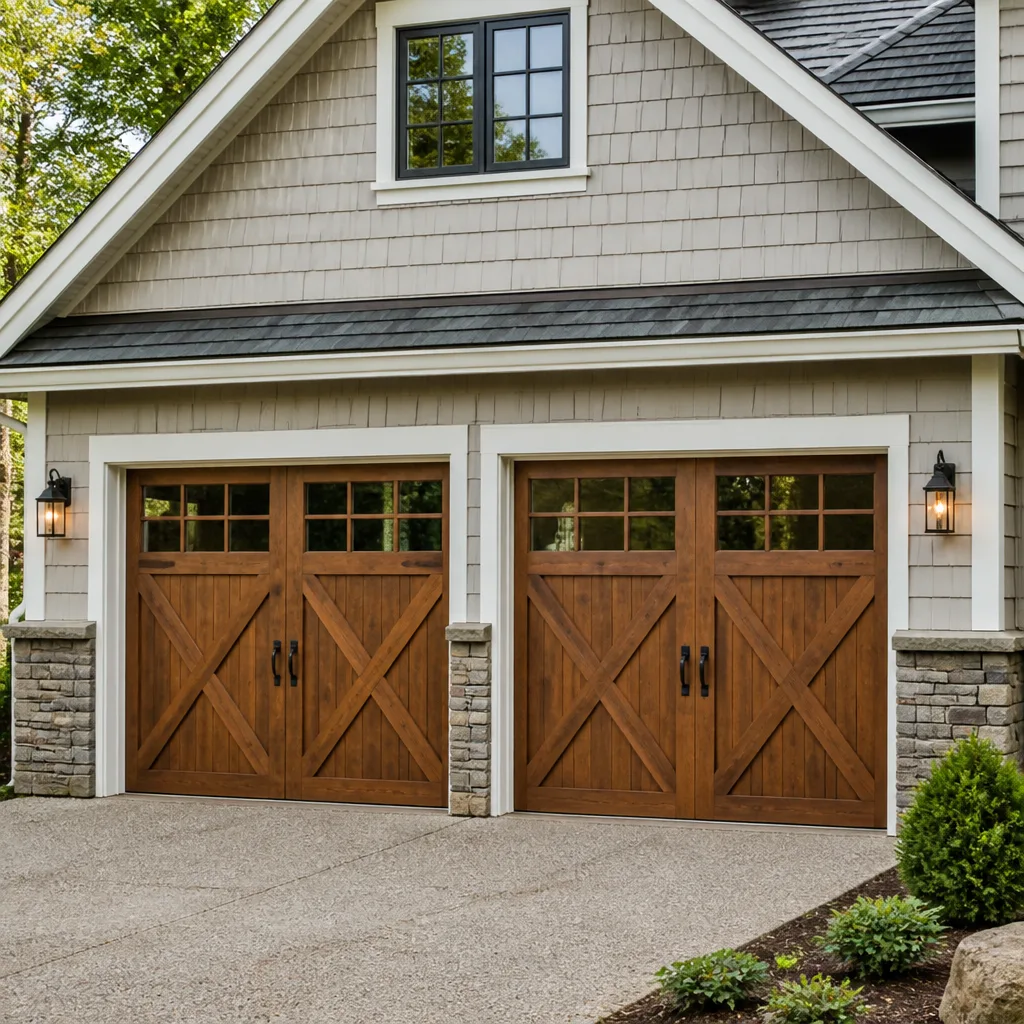 Carriage house
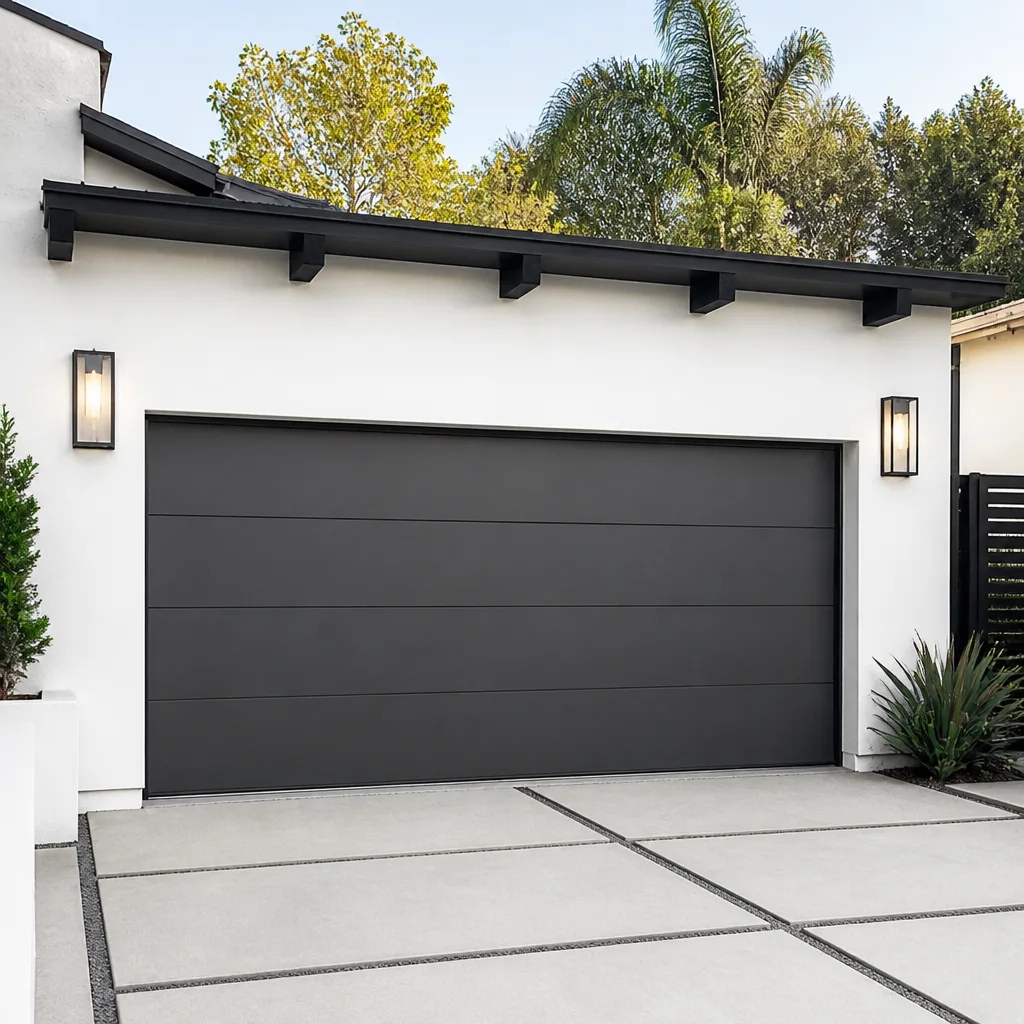 Modern flush
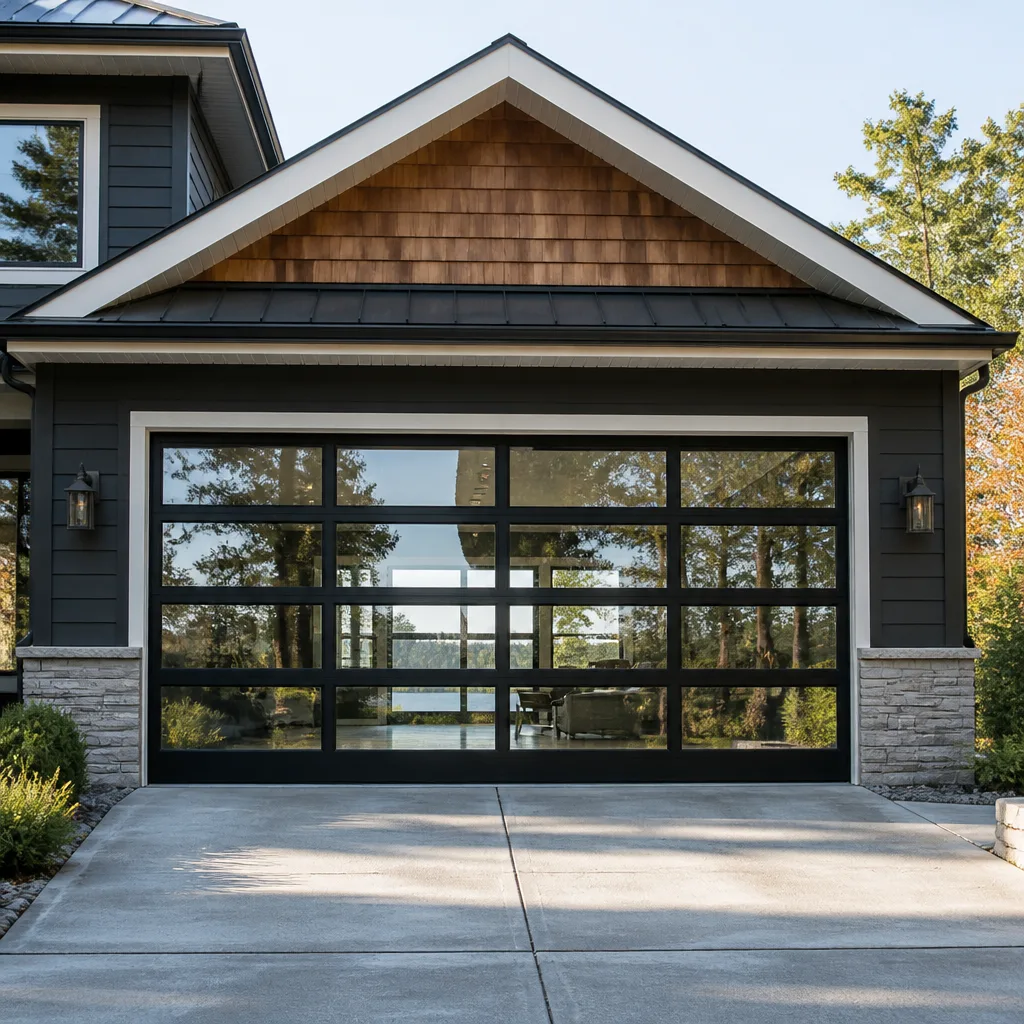 Full-view glass
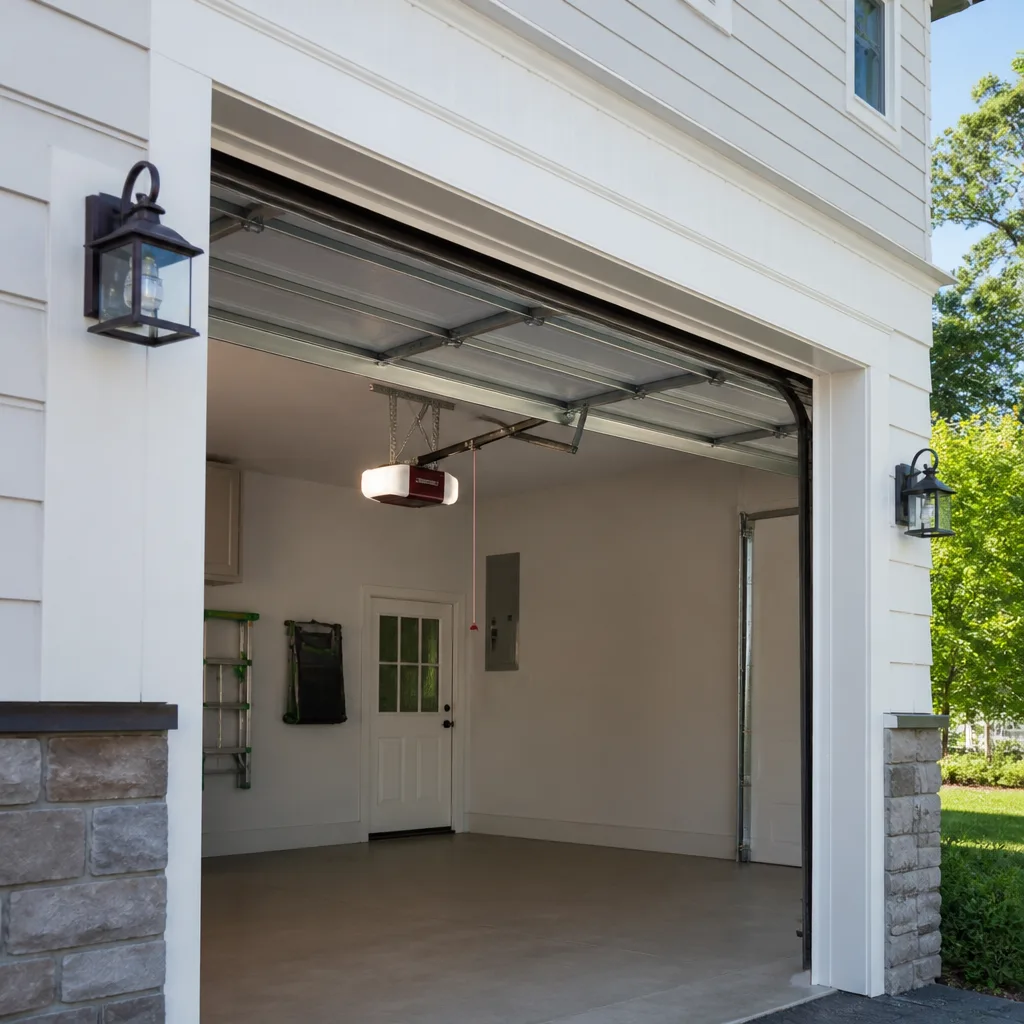 LiftMaster openers
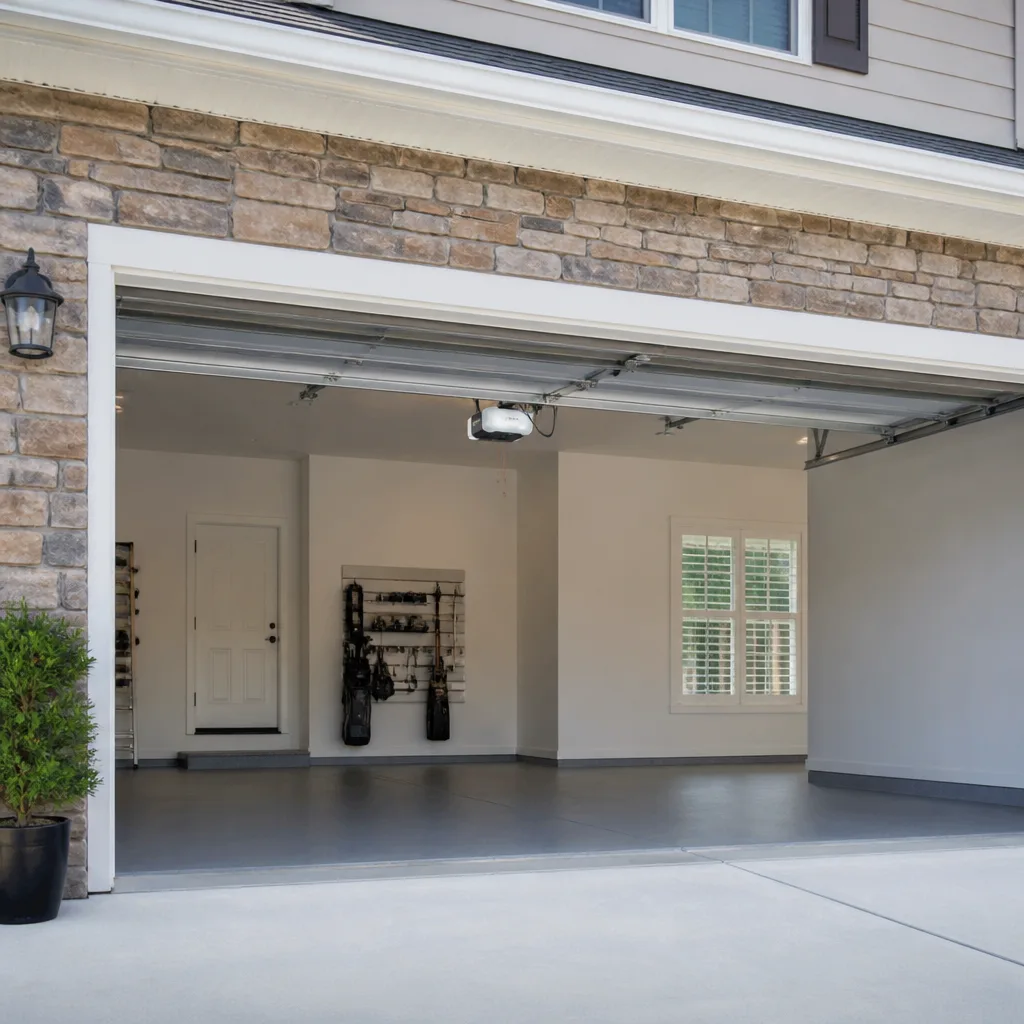 Chamberlain openers
Full 25-point door and opener safety check with every visit - springs, cables, rollers, tracks, and your LiftMaster or Chamberlain opener included
You get a price before we start. It does not change when the pro arrives.
Get your free estimateGarage Door Permits, Codes & Inspections in Clear Lake, TX: What You Need to Know
If you live in Clear Lake and your house sits in an unincorporated Harris County pocket (which thousands of homes here do), the permitting rules for your garage door are different from your neighbor two streets over who’s inside Houston city limits. That single fact trips up most homeowners, because the garage door looks identical on both sides of the line. The truth is messier than the “replacement never needs a permit” advice you’ll hear from a handyman: sometimes it does, and the exceptions cluster around three jobs – new-construction rough-ins, wind-load upgrades, and anything that changes the structural opening. This guide walks through which authority governs your address, when a permit is actually required, what inspectors look for, and how unpermitted work can come back to bite you at insurance claim or sale time.
Quick Answer
In most Clear Lake cases, swapping a like-for-like garage door on an existing opening needs no permit, but any work that changes the size of the structural opening, alters the header, or involves a wind-rated door in a flagged flood zone usually falls under City of Houston, Harris County, Webster, or Friendswood review – and you should confirm with your city’s building department before you buy the door. TWIA compliance and inspection requirements depend on the specific address, so we tell every Clear Lake homeowner to verify jurisdiction first, not last.
Styles & brands we work with
- Raised-panel steel
- Carriage house
- Modern flush
- Full-view glass
- LiftMaster openers
- Chamberlain openers
Table of Contents
- Which Building Authority Governs Your Clear Lake Address?
- When a Garage Door Replacement Actually Needs a Permit
- TWIA Compliance and What It Means for Garage Doors
- What an Inspector Checks: Rough-In vs. Final
- How Unpermitted Work Affects Insurance and Home Sales
- Garage Door Safety Codes That Apply Everywhere
- Common Mistakes to Avoid
- When to Call a Professional
Which Building Authority Governs Your Clear Lake Address?
Clear Lake isn’t a single city. It’s a region wrapped around the lake itself, and the patchwork of jurisdictions is the number one source of confusion when a homeowner starts asking whether their garage door project needs a permit. The same cul-de-sac can straddle two authorities, and the rules change at the line.
Here’s how the map breaks down for most Clear Lake-area addresses:
- City of Houston – Homes inside Houston city limits fall under Houston’s permitting authority, even when the mailing address says Clear Lake or a nearby ZIP.
- Harris County – Unincorporated pockets (which is a large share of the Clear Lake area) generally answer to Harris County for permitting and inspection.
- City of Webster – Webster sits inside the Clear Lake footprint with its own building department and its own permit process.
- City of Friendswood – Friendswood overlaps the area with its own municipal code, and its permitting rules don’t mirror Houston’s.
- Galveston County adjacency – Some Clear Lake-adjacent addresses sit close enough to Galveston County to be affected by TWIA windstorm rules, which we cover below.
We’ve seen homeowners waste real time because they called the wrong department. The fix is simple: pull your property’s actual jurisdiction from the county appraisal district record, then call that building department directly before you order a door. If you’re not sure, your city’s building department can tell you which authority handles your address, and a licensed local pro who works Clear Lake daily usually knows the pattern. When a job goes from repair to a full door replacement, our garage door installation team can tell you what the address typically triggers.
One more wrinkle worth flagging: cities occasionally annex pockets, so a rule you heard three years ago might no longer apply. Confirm the authority each time, not once.
When a Garage Door Replacement Actually Needs a Permit
A like-for-like replacement – same size, same opening, same header, same weight class, no structural change – generally does not need a permit in most Clear Lake jurisdictions. But the exceptions are more common than the contractors who tell you “never” want to admit. Here are the triggers that almost always push a project into permit territory:
- Structural header change. Any modification to the header above the door (reinforcement, replacement, or re-engineering) is structural work. That’s permit territory in every Clear Lake jurisdiction.
- Widening or raising the opening. Cutting into the framing to fit a larger door changes the structural load. That requires engineering and a permit.
- New construction rough-ins. A new garage door install during a build is part of the parent permit. The rough-in and final get inspected as part of the whole project.
- Wind-rated upgrades in flagged zones. If your address sits in a wind zone that requires a rated door, the installation paperwork often gets reviewed alongside the door specs.
- Changing door weight class. Going from a light door to a heavy insulated door can require spring, track, and anchor changes – and sometimes a permit if the structural attachment changes.
Here’s the practical rule we give Clear Lake homeowners: if the opening size changes, the header moves, or the structural attachment changes, assume you need a permit and verify. If it’s a same-size swap of a residential door on an existing opening, ask your jurisdiction because the answer isn’t uniform.
Brand choice matters here too. A Clopay, Amarr, or Wayne Dalton door that matches the original weight and opening is a same-size swap. A door that’s heavier or a different size is a different project. Our technicians have up to 9 years of experience and work on all of these, so we can usually tell you upfront whether what you want is a swap or a structural change.
TWIA Compliance and What It Means for Garage Doors
The Texas Windstorm Insurance Association (TWIA) is the state’s windstorm insurer of last resort for properties in designated coastal counties, and it has a specific concern with garage doors in the areas it covers. If your Clear Lake-area address is on the TWIA-eligible edge of that footprint (particularly the parts tying into Galveston County), the door you install can affect both insurability and coverage.
What TWIA compliance actually involves for garage doors:
- Rated products. TWIA-recognized wind-rated doors and reinforcing hardware carry documentation showing they meet specified wind pressure ratings.
- Proper installation. Rated doors only perform as rated if the anchors, brackets, and track are installed to spec. A rated door hung with the wrong hardware is not compliant.
- Documentation. The door’s rating certificate and installation details need to travel with the property, because inspectors and insurers may ask for them.
Not every Clear Lake address is inside the TWIA-eligible area, and the rules shift for properties in Houston versus unincorporated pockets versus Webster and Friendswood. Ask your insurer whether your address is in the TWIA coverage area before you order a door, then bring that answer to your installer. Changing a standard door for a rated door doesn’t automatically reduce anyone’s premium, and swapping a door doesn’t automatically improve coverage – the point is that the installation has to match what the property requires so you’re not left with a coverage gap later.
This is one of the areas where jurisdiction and insurance overlap, and where we see the most confusion. If a homeowner tells us the address is TWIA-relevant, we treat the door spec and the anchoring hardware with the same care – it’s not a place to cut corners on hardware.
What an Inspector Checks: Rough-In vs. Final
If your project does get permitted, the inspection happens in two stages. Understanding the difference helps you schedule the work so you’re not waiting on a re-inspection.
Rough-in inspection
The rough-in happens before the door goes up. The inspector is looking at what’s behind and around the door:
- Framing and header condition relative to the permitted scope
- Attachment points and structural connections for the track and spring system
- Any electrical rough-in for the opener, including the location of the outlet and the safety sensor wiring
- Whether the rough opening dimensions match the permitted plan
Final inspection
The final is after installation and checks the door in operation:
- Balance and travel – the door runs smoothly and sits correctly in the opening
- Reverse function and safety sensor performance (required on every residential opener we work on)
- Door hardware installation – hinges, rollers, tracks, and anchors secure
- Documentation for any rated elements (wind-rated door certificate, hardware spec sheet)
The single most common cause of a failed final in our experience is skipped safety sensor testing. Homeowners who install their own opener often miss that the reverse function and sensor alignment get checked, and that alone sends the job back for a re-inspection. If you’re on a fresh install, our garage door opener repair team can confirm your opener aligns with what the final inspection expects before you schedule it.
How Unpermitted Garage Door Work Affects Insurance and Home Sales
Most homeowners don’t think about the insurance or resale angle until they’re selling or filing a claim. That’s when unpermitted work becomes expensive. If a door replacement that required a permit was done without one, and a claim later hinges on that installation, the insurer can question the work it’s being asked to cover. That doesn’t mean every claim gets denied – it means the burden shifts onto you to prove the work was done to code.
At sale time in Texas, the seller’s disclosure covers work that was done without permits when the seller knows about it. Buyers’ inspectors in Clear Lake regularly flag permit history, and questions about whether structural changes were permitted can hold up a closing. That’s why the practical advice is: if you needed a permit, get one, and if you’re unsure, verify before you sell.
Two specific things to keep records of:
- Door spec and installation details. The door model, wind rating (if applicable), and installation record should travel with the property.
- Permit documentation. Keep the permit number and the inspection result in your home file. It’s a 30-second amount of paperwork that saves a week of headaches at closing.
If you’re considering selling in the next couple of years and don’t remember whether your garage door work was permitted, this is a good moment to find out. Call your jurisdiction’s building department and ask them to pull the permit history for your address. It’s free.
Garage Door Safety Codes That Apply Everywhere
Beyond permits, there are safety codes that apply to every garage door in Clear Lake regardless of jurisdiction. These aren’t optional – they’re baseline safety.
- Safety reverse function. Every residential opener installed today must reverse when it meets an obstruction. This is a code requirement and a manufacturer requirement simultaneously.
- Photo-eye sensors. Sensors must be installed at a specified height on both sides of the door and tested monthly. If they’re misaligned, the door won’t close – that’s the system working, not a failure.
- Spring containment. Springs above a certain size need containment hardware to prevent the spring from becoming a projectile if it breaks. This is one reason spring replacement is a specialist job.
- Door balance. A door that won’t stay half-open is out of balance, and an unbalanced door stresses the spring and opener. Balance gets checked at final inspection and monthly thereafter.
- Electrical safety. The opener’s electrical work and the sensor wiring are within electrical code, and if the panel or outlet is involved, the work belongs to a licensed electrician, not a garage door installer.
We say this carefully because it matters: the springs and cables on your garage door are among the most dangerous components you own. They’re under extreme tension, and a spring or cable under load can cause serious injury. We don’t recommend DIY spring work, and we don’t give step-by-step instructions for it. Neither should anyone else. For that reason, spring repair is a service we handle as a dedicated specialty rather than a side job – our technicians have up to 9 years of experience and use proper winding bars and containment hardware. If you suspect a spring or cable is failing, keep the door closed and call us rather than testing it yourself.
If you need ordinary door repair that doesn’t involve springs or structural work, our garage door repair team handles balance adjustments, sensor alignment, and opener issues. If it’s a manufacturer-specific part – say a Raynor-specific hinge or a Craftsman opener component – our parts sourcing capability means you’re not waiting on a third-party supplier to finish the job.
Common Mistakes to Avoid
- Assuming “no permit needed” without checking your jurisdiction. A neighbor inside Houston city limits and a neighbor in an unincorporated Harris County pocket don’t follow the same rules, even with the same door. Verify your specific address.
- Ordering a larger door before confirming the header. If you’re widening the opening, the structural work has to be engineered and permitted before the door arrives. Ordering first reverses the sequence and puts the project in a bind.
- Skipping the insurer conversation on a TWIA-eligible address. Rated doors need the right hardware and documentation to mean anything. Request the spec sheet and keep it with the property file, and confirm the address’s TWIA status with your insurer before you order.
- Assuming a like-for-like swap is always permit-free just because it’s the same size. Some jurisdictions want the door spec reviewed, and some flagged addresses have extra requirements. Ask your city’s building department; it takes one phone call.
- Replacing springs without containment hardware or proper winding procedure. Springs and cables are the most dangerous parts of the system, and improvised DIY work is where serious injuries happen. This is not a task to learn from a video.
- Losing the permit and installation records. The paperwork matters at claim time and at sale time. Keep the permit number, inspection result, door spec, and rating certificate in your home file.
- Calling a general handyman for a job that’s actually a specialist job. Structures, spring safety, and opener electronics are three different skill sets, and a multi-trade handyman often isn’t built for any of them. Our single-trade focus on garage doors exists for that reason.
When to Call a Professional
Call a specialist when the work involves a spring, a cable, the structural opening, the electrical panel, or a permit you’re not sure you need. Any change to the header, the rough opening, or the anchors is a structural question – not a DIY one. Any spring or cable replacement is a safety-critical job and belongs in trained hands. Any opener wiring that touches the panel is an electrician’s job, not ours. Any door that fails to balance, reverses inconsistently, or bangs on close needs a diagnostic, not a guess. And any situation where you’re unsure about jurisdiction or TWIA status is a sign to ask before you buy.
For a same-size swap, a new opener, or an ordinary repair, we can handle it as a specialist rather than a generalist. Clear Lake Garage Door Repair offers free estimates in Clear Lake. Call (833) 508-9162 and we’ll tell you what your address typically triggers and what a written quote will look like – quoted and agreed before any work starts. If a door fails unexpectedly, we run same-day service and fast dispatch from 7am to 7pm.
Frequently Asked Questions
In most Clear Lake cases, a like-for-like swap of a door on an existing opening without structural changes doesn’t need a permit – but any change to the header, the rough opening, or the anchors does, and requirements vary by jurisdiction (City of Houston, Harris County, Webster, or Friendswood depending on your address). Confirm with your city’s building department before you order the door. Call (833) 508-9162 for a free estimate on the install itself.
It depends on where your property sits: Houston city limits, unincorporated Harris County, City of Webster, or City of Friendswood, each with its own building department. Your county appraisal district record lists your jurisdiction, and a single call to that building department gives you the answer. Call (833) 508-9162 if you’d like us to walk through what your address typically triggers.
TWIA is the Texas Windstorm Insurance Association, the windstorm insurer of last resort for designated coastal areas, and for some Clear Lake-area addresses it affects the door spec and documentation required. A rated door only performs as rated when installed with matching hardware, so the rating certificate and installation details matter. Confirm with your insurer whether your address is TWIA-eligible before ordering. Call (833) 508-9162 for a free estimate.
A rough-in inspection checks the framing, header, attachment points, and opener electrical rough-in; a final inspection checks door balance, travel, safety reverse function, sensor performance, and hardware security. The most common reason a final fails in our experience is skipped safety sensor testing. If you’re scheduling a final, call (833) 508-9162 and we’ll confirm your setup is what the inspector expects.
No – we quote and agree the price before any work starts, and the written estimate is what you pay. What we can’t do is finalize a quote for structural or permit-dependent work before we’ve seen the opening. Call (833) 508-9162 for a free estimate; if you’re deciding between a repair and a full replacement, we’ll tell you honestly which one your door needs.
Can you handle per
See the difference
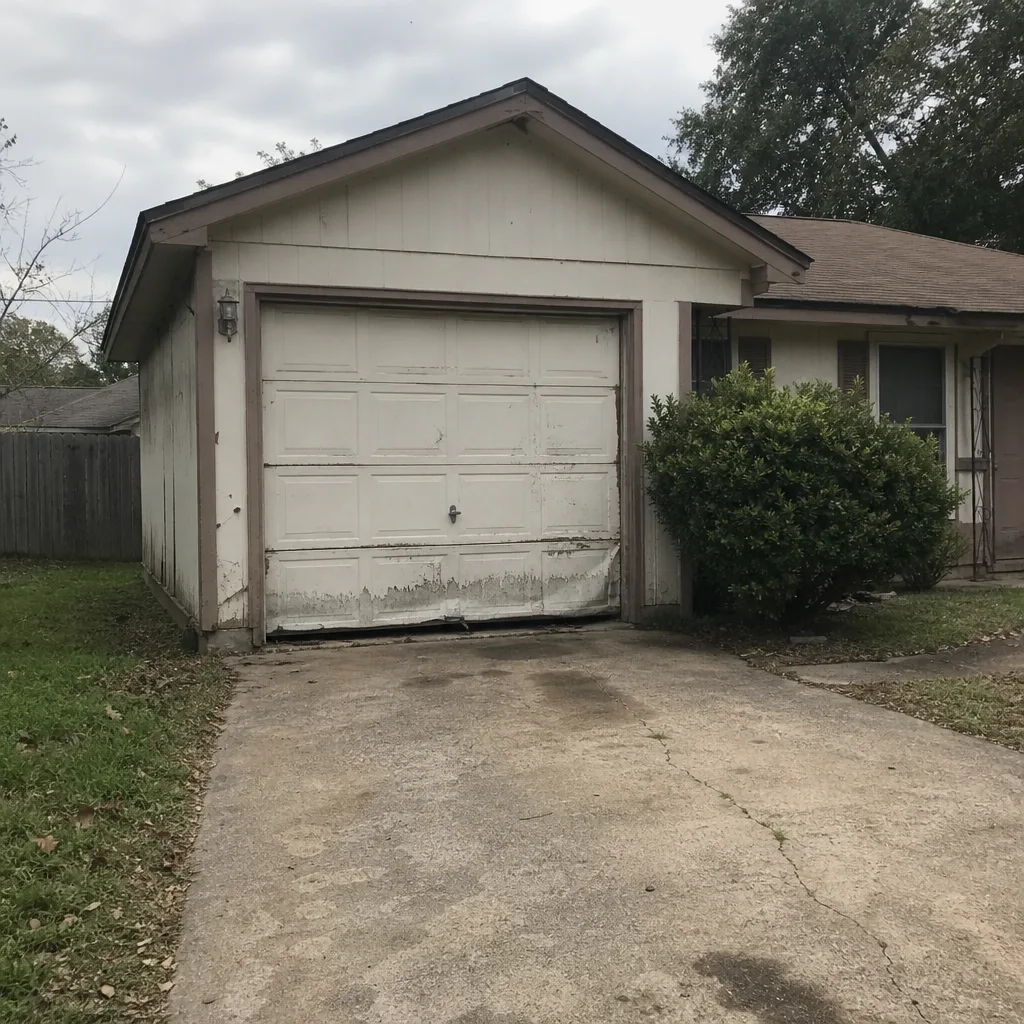 Before
 After
 Before
 After
 Before
 After