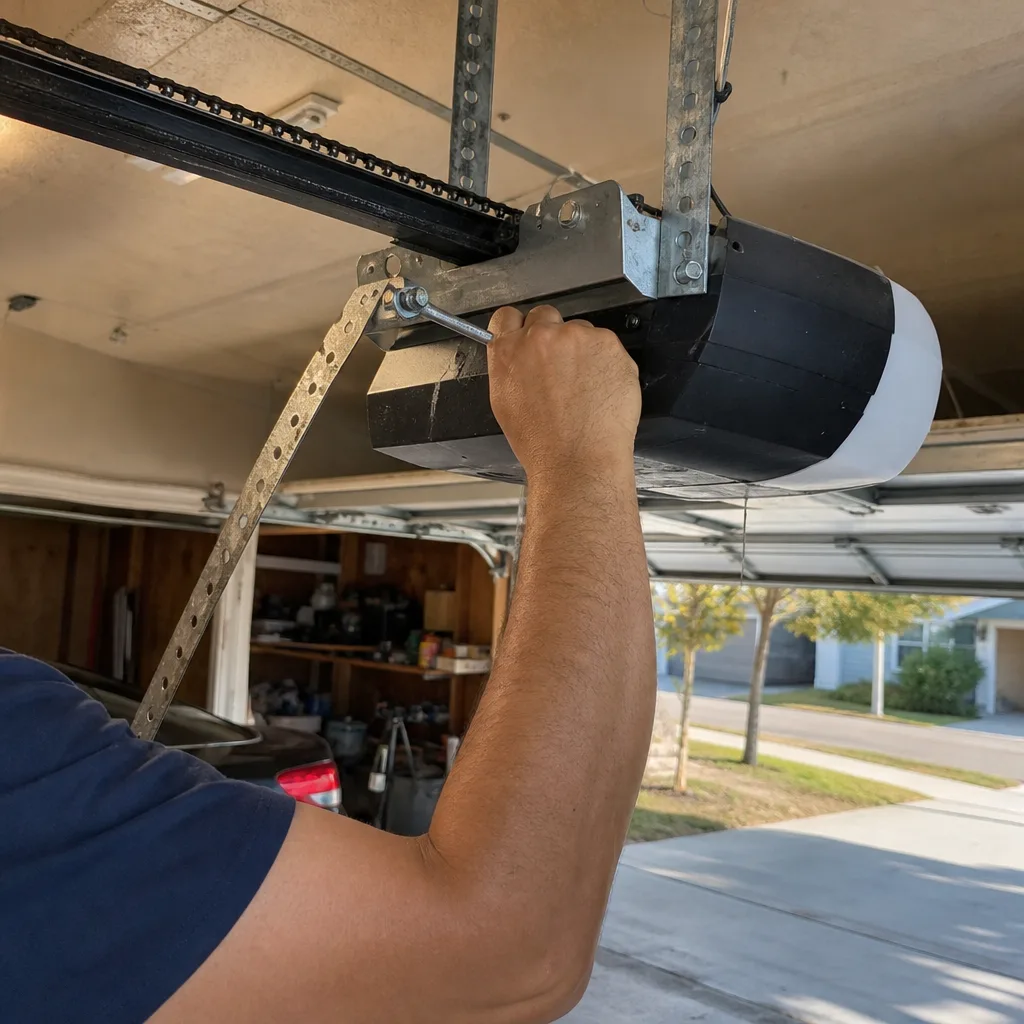
Last updated November 21, 2026
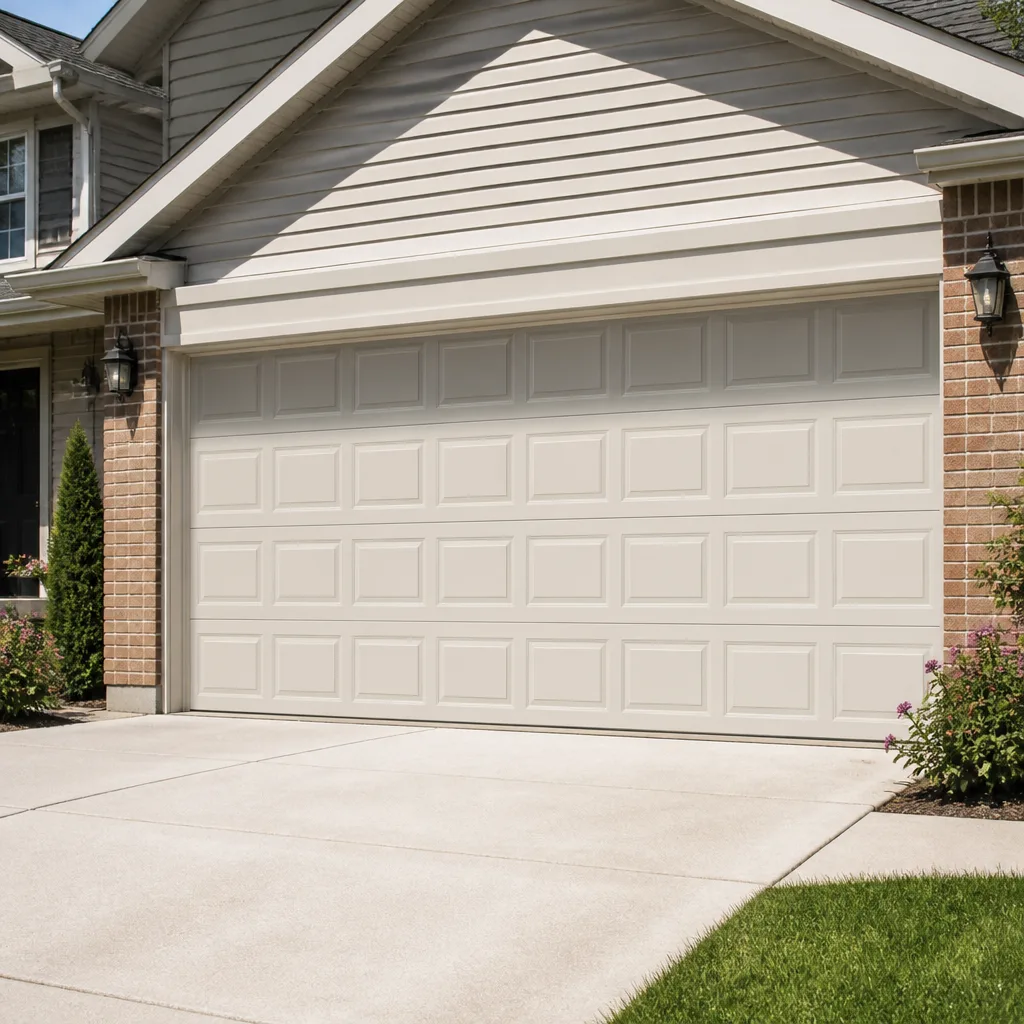 Raised-panel steel
 Carriage house
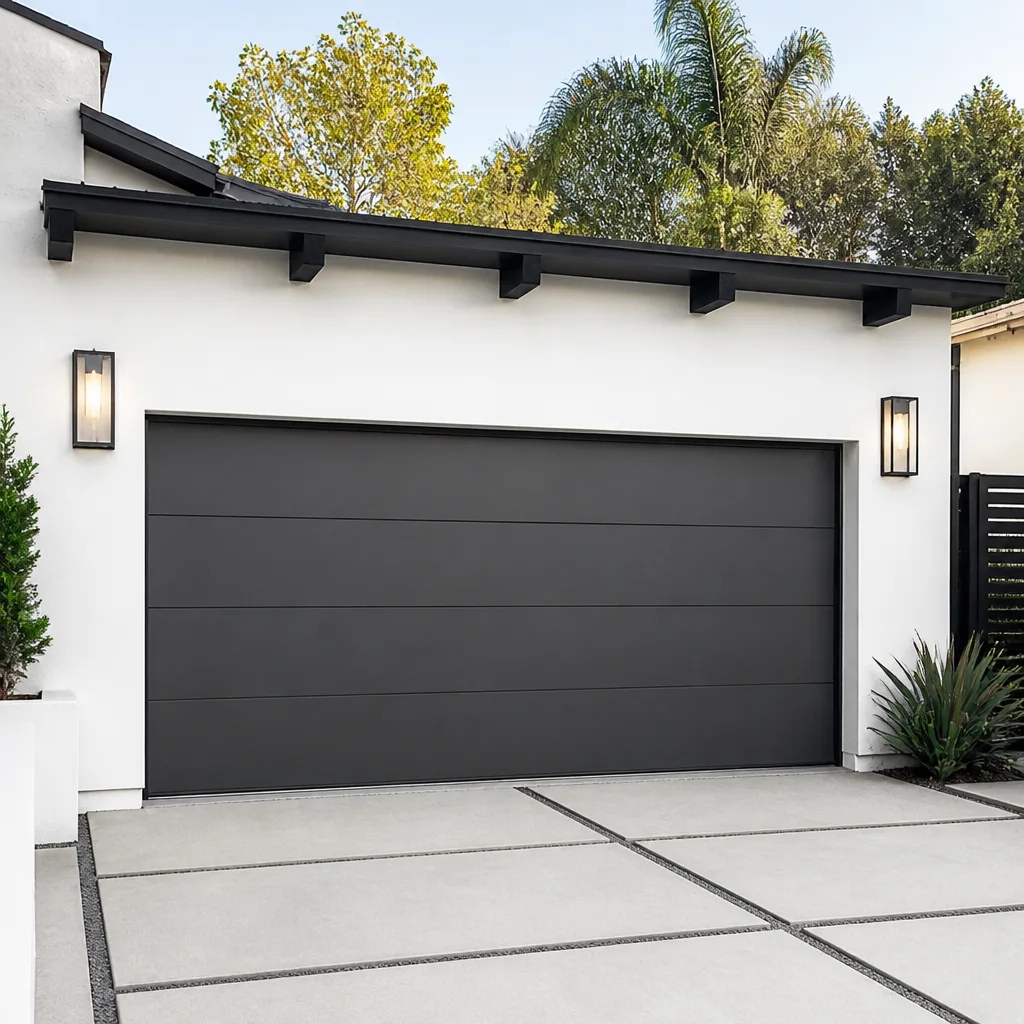 Modern flush
 Full-view glass
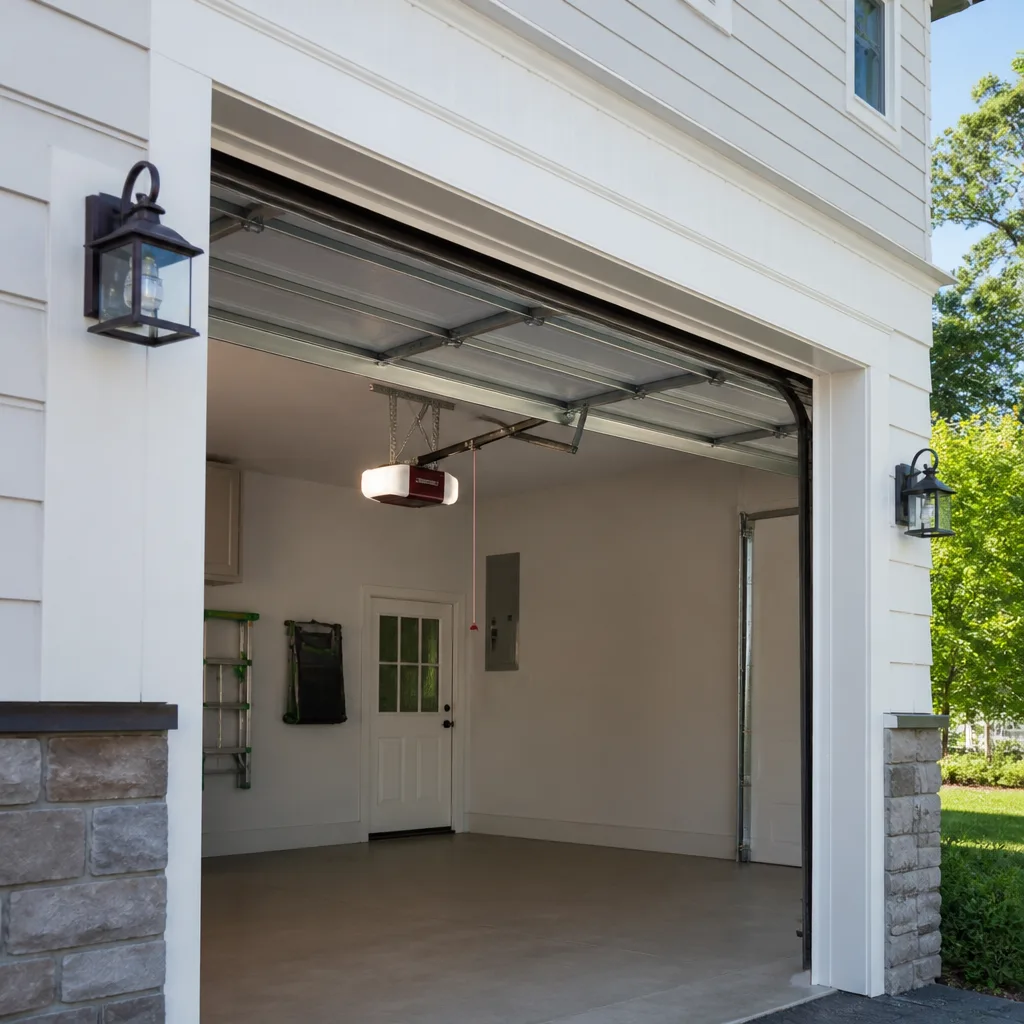 LiftMaster openers
 Chamberlain openers
Full 25-point door and opener safety check with every visit - springs, cables, rollers, tracks, and your LiftMaster or Chamberlain opener included
You get a price before we start. It does not change when the pro arrives.
Get your free estimateGarage Door Repair Maintenance Checklist for Clear Lake Homeowners
The number one maintenance mistake Clear Lake homeowners make isn’t skipping lubrication. It’s lubricating the wrong parts with the wrong product, and making the corrosion worse in the process. Spraying a thin penetrating oil on a torsion spring feels productive, but in the humidity that hangs over Clear Lake through most of the year it strips away the protective coating and leaves bare steel to rust faster than if it had been left alone. A garage door is a daily-use mechanical system with springs, cables, rollers, hinges and a motor that all wear on their own schedule. This checklist walks you through the inspect-lubricate-test sequence in the order that actually catches problems early, what to handle yourself each quarter, what to leave alone, and when a garage door repair in Clear Lake is the right call.
Quick Answer
A quarterly garage door maintenance checklist in Clear Lake covers four things, in this order: inspect the torsion spring and cables for corrosion and fraying, lubricate only the hinges, rollers and bearing plates with a lithium- or silicone-based grease (never spray oil on the springs), test the auto-reverse and photo-eye safety systems, and examine the weatherstripping for UV breakdown. Anything involving the springs, cables or a door that has come off its track is a job for a trained technician.
Styles & brands we work with
- Raised-panel steel
- Carriage house
- Modern flush
- Full-view glass
- LiftMaster openers
- Chamberlain openers
Table of Contents
- Why the Order of Your Checklist Matters
- Inspecting Torsion Springs for Corrosion
- Which Lubricants Go on Which Parts
- Testing the Auto-Reverse and Photo-Eye
- Weatherstripping in Houston Heat
- Quarterly vs. Annual Task Split
- Checking the Opener and Door Balance
- Hinges, Rollers and Track Inspection
Why the Order of Your Checklist Matters
Most maintenance lists online are a pile of tasks with no sequence. You could do them in any order, and they’d still get done, and you’d still miss the failure that actually costs you. We build our checklist as a diagnostic sequence because each step tells you something that changes how you read the next one. In our experience around Clear Lake, the order is what separates a checklist that catches a problem early from one that just checks a box.
Here’s how the sequence works. You inspect first, before anything is altered. If you lubricate a spring before you look at it, you coat over the exact rust bloom you were trying to catch. Then you clean, then you lubricate only what should be lubricated, then you test the mechanical travel of the door, then the safety systems last because those tests depend on the door moving freely. Change the order and you either miss evidence or you test a safety system against a door that isn’t balanced, which gives you a false result.
The Clear Lake climate makes the sequence matter more than it does in dry inland towns. Humidity sits high across the Clear Lake area for most of the year, and that moisture is what corrodes a torsion spring from the inside out. A spring doesn’t announce itself before it breaks. It corrodes quietly under its coating, often at the winding cone where the wire is under the most stress, and then one morning the door won’t lift. Catching that bloom during an inspection is the entire point of the first step.
The rapid temperature swings that come off the Gulf in spring and fall add a second stressor. A door and its hardware expand and cool through dozens of cycles over a Clear Lake season, and small gaps open at hinges and rollers where moisture gets in. That’s why Clear Lake homeowners benefit from cleaning and lubricating those fittings each quarter instead of once a year like a drier climate would allow.
Inspecting Torsion Springs for Corrosion
Torsion springs on a Clear Lake garage door hide in plain sight. They sit horizontally above the door on a steel shaft, and because they’re usually painted or coated, early corrosion is easy to confuse with normal wear. The distinction that matters is between a dull surface discoloration and a bloom of rust that has lifted the coating off the wire itself. Surface film wipes away with a rag; active corrosion doesn’t.
Here’s the visual inspection sequence we recommend, done with the door fully closed and the opener disconnected:
- Stand back and look along the length of the shaft. A spring that’s beginning to sag or twist unevenly is telling you it’s losing tension.
- Look closely at the winding cone at one end and the stationary cone at the other. These are the highest-stress points. Rust that runs in a line along the wire coil near either cone is the kind that precedes a break.
- Wipe a small section of the coil with a dry cloth. If the rust lifts and leaves bright metal, it’s surface. If it’s pitted into the wire, the spring is past its useful life and should be replaced.
- Check for any gap in the coating. A break in the coating is where moisture gets under it and starts the corrosion from beneath.
Two safety notes, and we mean these. Never touch or attempt to adjust a torsion spring, and never try to lift a door with a broken spring. A torsion spring stores enormous energy, and when it fails under load it can cause serious injury. If your inspection finds pitting, a broken spring, or a cable with a single frayed strand, stop and call a technician. Clear Lake Garage Door Repair treats spring repair as a named, dedicated service because it is one of the most safety-sensitive jobs in the trade, and it’s the part of the system a general handyman should never attempt.
If you’re not confident reading the difference between surface discoloration and active corrosion, a trained eye takes a minute and saves the guesswork. We handle spring replacement and the door’s balance and safety recheck as a single visit, so call (833) 508-9162 for a free estimate if anything about the spring looks off.
Which Lubricants Go on Which Parts
This is where most DIY maintenance goes wrong. A can of spray lubricant is not a universal answer, and some of the products made famous as “fix anything” sprays are actually the wrong choice for a garage door. Thin penetrating oils are designed to creep into tight spaces and displace moisture, which is fine for a squeaky hinge, but on a torsion spring they can strip the protective coating and leave the steel bare. In Clear Lake’s humidity, that bare steel starts corroding within weeks.
Here’s the right product for each component:
- Hinges, rollers and bearing plates: a lithium-based or white lithium grease, applied sparingly at the pivot points. This holds up to moisture better than a thin oil.
- Roller stems and tracks: a silicone-based lubricant, which stays where it’s put and doesn’t attract grit the way grease can. Never grease the inside of the track itself; a dry track runs cleaner.
- Nylon rollers: no lubricant needed. Nylon is self-lubricating, and adding grease just collects dust.
- Torsion springs: nothing. The coating on a spring is its protection; adding lubricant undermines it. If a spring is noisy, that’s a call for a technician to inspect, not a reason to spray it.
- The opener rail and chain: check the manufacturer’s guidance for the brand you own. A LiftMaster or Chamberlain chain drive, a Genie belt drive and a Raynor screw drive all call for slightly different treatment, and getting it wrong causes wear rather than preventing it.
That last point is where brand familiarity pays off. We’re factory-familiar with eight major brands, so when a LiftMaster opener needs a service check we already know how its rail and chain are meant to be treated. It means a technician isn’t guessing at what’s already in your garage; they’ve worked on the same mechanics many times.
Apply lubricants with a rag, a small brush or a targeted spray. Spraying a full can across a whole door does nothing useful for the door and everything unhelpful for your driveway. A light film at the moving points is all any of these components need.
Testing the Auto-Reverse and Photo-Eye
Your garage door is the largest moving object in most Clear Lake homes, and its safety systems are the one thing you should never postpone checking. A modern door weighs in the range of a few hundred pounds, and the auto-reverse and photo-eye together are what stop it from closing on a person, a pet or a bicycle. A test you run once and never repeat isn’t a test.
Here’s how to check both systems so you know they’ll actually stop the door:
- With the door open, place a piece of scrap wood or a box about the height of a soda can directly under the middle of the door.
- Press the close button. When the door meets the object, it should sense the resistance and reverse to fully open within a couple of seconds. If it stops and stays, or continues down, the force setting needs adjusting and a technician should look at the opener.
- For the photo-eye, find the two small sensors mounted near the floor on each side of the opening. Check that neither lens is dirty, spider-webbed or knocked out of alignment.
- With the door open, wave a hand or an object across the beam between the two sensors and press close. The door should refuse to close, or reverse immediately if it has started. If it closes anyway, the sensor is misaligned or failing.
- Do this with the door moving, not just sitting still. The point is to confirm the system reacts to an obstruction mid-travel, which is when it matters.
Both tests take two minutes and catch the two most common opener failures. If either fails, don’t keep using the door until it’s fixed. A door that won’t reverse on contact is a door that can’t be relied on to protect your family, and this is where a garage door opener repair in Clear Lake earns its keep. Knowing whether it’s a photo-eye alignment, a force setting or a failing logic board saves a wrong part and a wasted visit.
Weatherstripping in Houston Heat
The weatherstripping along the bottom and sides of your door is the first thing to go in a Clear Lake summer, and it goes in two stages. Normal wear looks like a rubber seal that’s flattened, slightly brittle and starting to peel away at the bottom corners. UV degradation looks different: the seal has hardened into a dull, chalky strip, crumbles when you rub it, and has lost its flexibility entirely. Once it crumbles, it’s past service life and no amount of cleaning brings it back.
The Gulf Coast sun is hard on rubber and vinyl, and the seal on a garage door takes direct sun for part of every day. When the bottom seal fails it lets in water during heavy rain, which is common enough around Clear Lake, and moisture under a door is what corrodes the bottom section and rusts the hinges and lower rollers. That’s a small part setting off a bigger repair, which is why we put weatherstripping in every quarterly check rather than an annual one.
What to look for:
- Bottom seal: run your hand along it with the door closed. A flexible, springy seal is fine; a cracking or crumbling one should be replaced.
- Side and top stops: check for gaps and for wood that’s soft or stained. A soft bottom section under the seal is a sign water is getting in.
- Gap at the floor: with the door closed, you shouldn’t see daylight under it. Daylight means the seal has flattened and is letting air and moisture in.
Weatherstripping is one of the few genuinely DIY-friendly fixes on this list, but if the bottom section itself is rotted, that’s a panel issue and a technician should look at it. If the seal is gone and the door is older, it’s also a natural moment to think about a full replacement; our garage door installation page covers what that involves in a Clear Lake home.
Quarterly vs. Annual Task Split
Knowing which maintenance tasks you can do yourself and which should trigger a service call is what keeps a checklist useful and safe. Here’s the split we recommend for a Clear Lake garage door.
Quarterly – Handle Yourself
- Visual inspection of the torsion spring for new corrosion (don’t touch, just look)
- Lubricate hinges, rollers and bearing plates with lithium or silicone grease
- Check the photo-eye alignment and lens condition
- Run the auto-reverse test with an object under the closing door
- Check the bottom seal for cracking or daylight
- Wipe the tracks clean and check for debris or dents
Annual – Book a Technician
- Full spring and cable inspection with a trained eye
- Balance test and travel limit adjustment on the opener
- Force setting calibration
- Roller and hinge replacement where wear shows
- Opener gear and drive inspection for worn parts
The quarterly list keeps a Clear Lake door honest between professional visits. The annual list is where the trained eye catches what a homeowner can’t, and where the safety-sensitive adjustments happen.
Checking the Opener and Door Balance
An unbalanced door puts extra strain on the opener and is a warning that something else is wearing out. A balance test is simple and safe with the door closed and the opener disconnected. With the door disconnected, lift it halfway by hand. A balanced door should hold roughly where you leave it. If it slams down on its own or needs both hands to lift, the springs have lost tension and a technician should check them.
The opener itself needs less maintenance than the door but still needs checking. Clear the area around the opener unit so it can breathe, listen for grinding or straining sounds during travel, and check that the light and safety sensors work. Each brand behaves a little differently; a Chamberlain and a Genie respond to their own diagnostics in different ways, and knowing which is which shortens a diagnosis. If your opener is skipping, straining or refusing to close, our guide to garage door opener repair in Clear Lake explains the common causes. And if the whole system is old and the door is showing its age, there may come a point where replacing the opener and the door together makes more sense than one repair after another.
Hinges, Rollers and Track Inspection
The hardware on a garage door is where small problems get big. Hinges and rollers wear every time the door opens, and in Clear Lake the moisture and heat work on them at the same time. A worn hinge squeaks, and a squeaky hinge is a hinge whose pin has lost its lubrication. A worn roller is flat-spotted, and a flat-spotted roller drags and strains the opener.
Inspect the hardware in this order:
- Hinges: check each hinge for looseness and squeaking. Tighten any loose bolts and lubricate the pivot points with a small amount of lithium grease.
- Rollers: look at the side of each roller for flat spots, cracks or a worn stem. Rollers should be replaced in matched sets, not one at a time, so the door runs evenly.
- Track: run a hand along the inside of each track for dents, bends or debris. A bent track is not a repair to force back into shape; it’s a replacement.
- Cables: look at the cables that run down each side. Any sign of fraying, kinking or a single loose strand means the door should not be operated until a technician has seen it.
Cables are in the same safety category as springs. Never attempt to adjust or replace one, and never operate a door with a visibly damaged cable. If you find one, call (833) 508-9162 and we’ll book a visit. Parts supply matters here too: because Clear Lake Garage Door Repair sources its own components, a worn hinge or a set of rollers can often be replaced on the same visit instead of waiting on an outside supplier for a second trip.
Common Mistakes to Avoid
- Spraying WD-40 on the torsion spring. It strips the protective coating and leaves bare steel to corrode faster in Clear Lake’s humidity. Lubricate hinges and rollers, and leave the spring alone.
- Greasing the inside of the track. The track is meant to be dry. Grease collects dust and grit inside the track and turns a smooth-running door into a sluggish one.
- Skipping the auto-reverse test. It’s the fastest task on the list and the one that protects your household. A door that won’t reverse is a door that can’t be relied on to stop.
- Trying to fix a broken spring or frayed cable yourself. This is the single most common serious injury in garage door work. Both are jobs for a trained technician with the right equipment.
- Confusing surface rust with active corrosion on a spring. A wipe with a rag tells you which one you have. If it’s pitting, the spring needs replacing, not cleaning.
- Using the wrong grease on the wrong brand’s opener. A LiftMaster, a Genie and a Raynor all want different treatment on the rail and chain. Follow the manufacturer’s guidance or have a technician check it.
- Ignoring a crumbling weather seal. A small rubber part that’s past its service life lets in water that rots the bottom section and rusts the hardware. A minor cost now or a panel problem later.
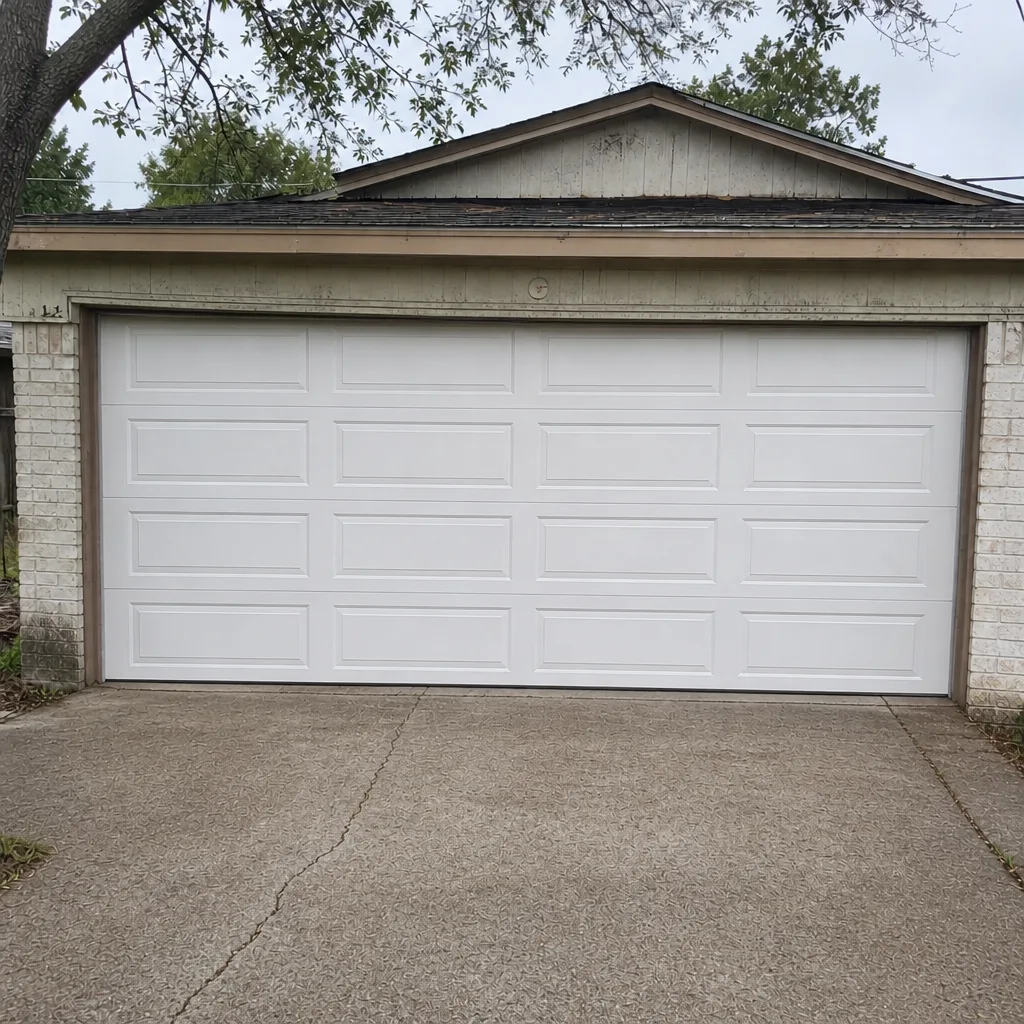
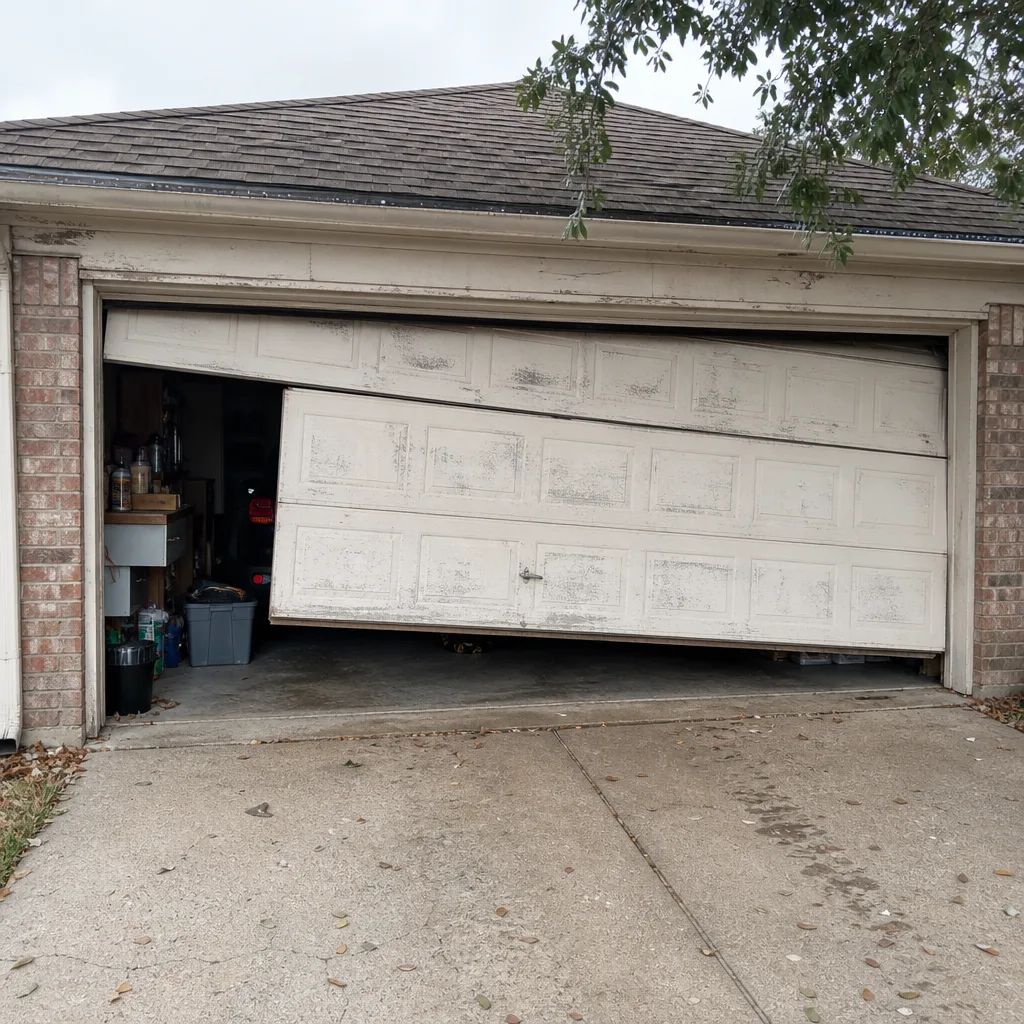
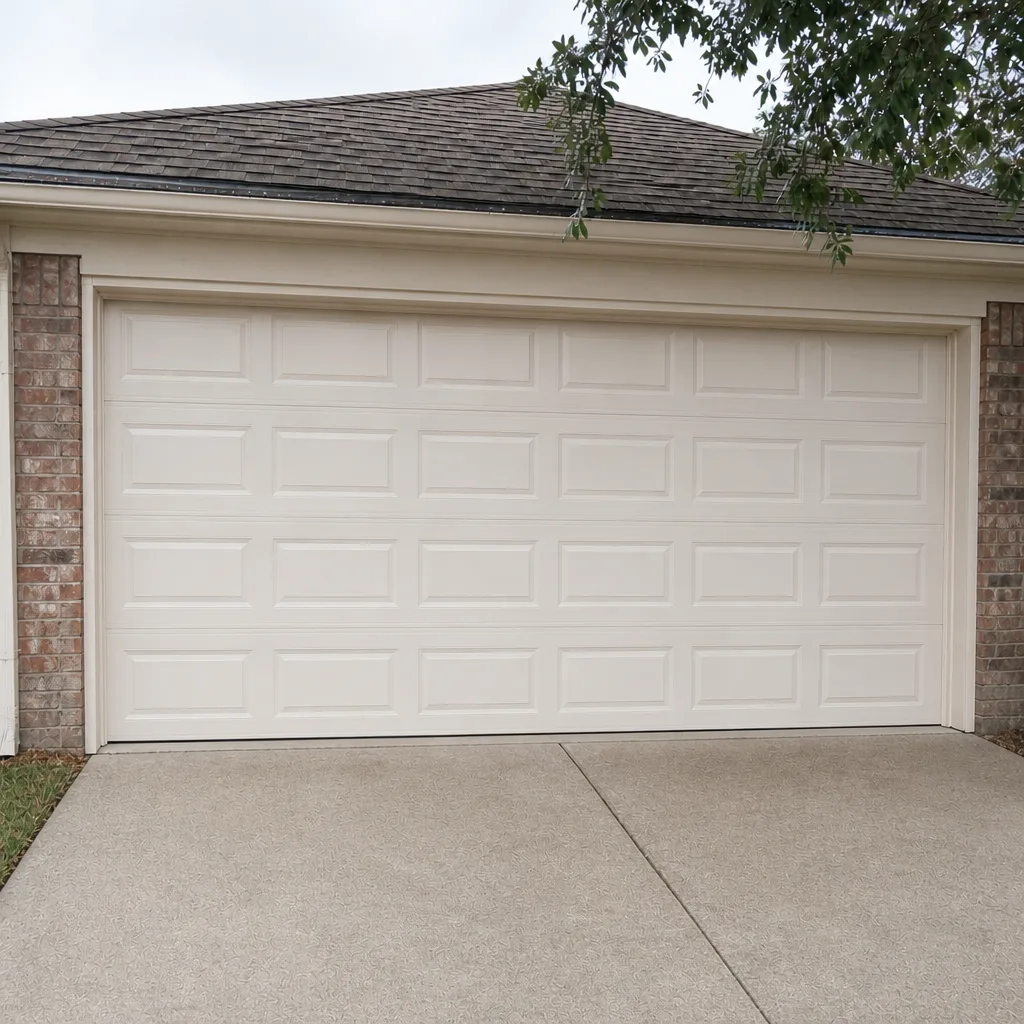
See the difference
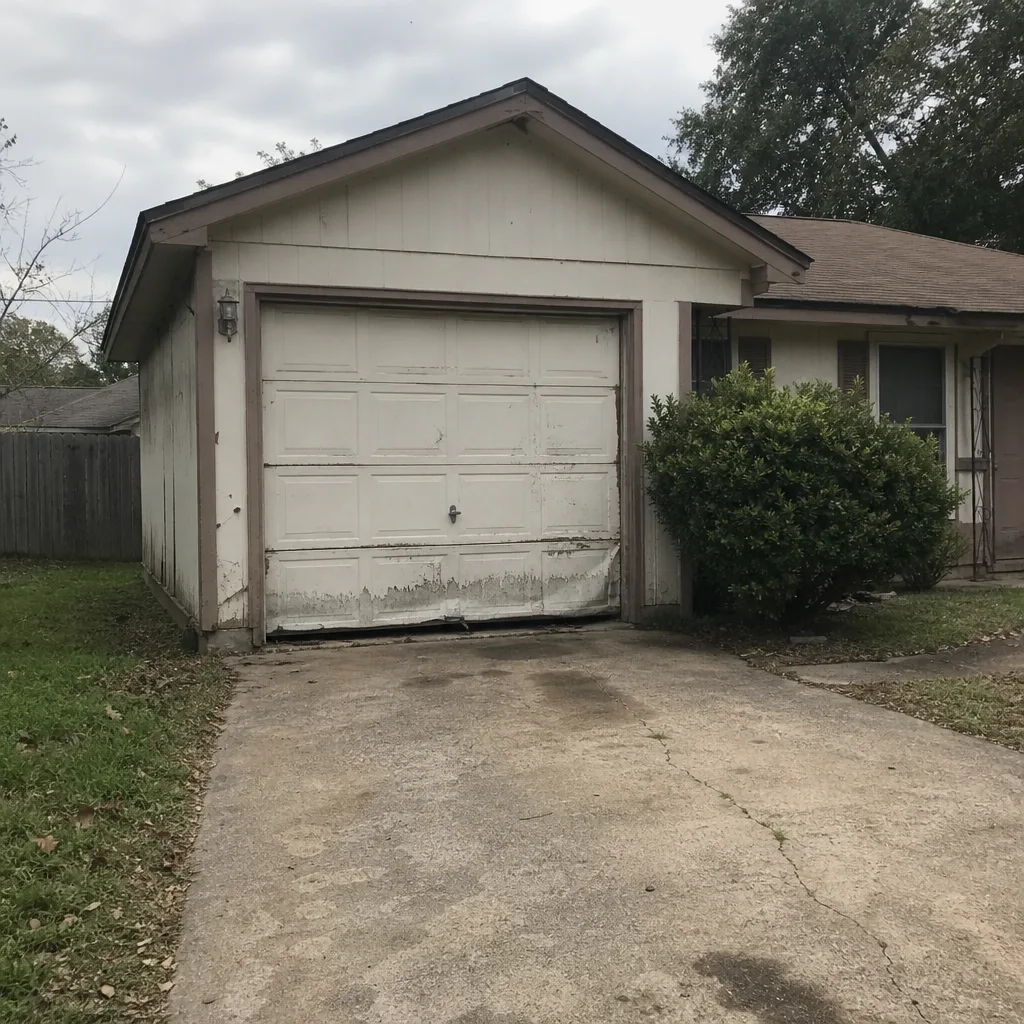 Before
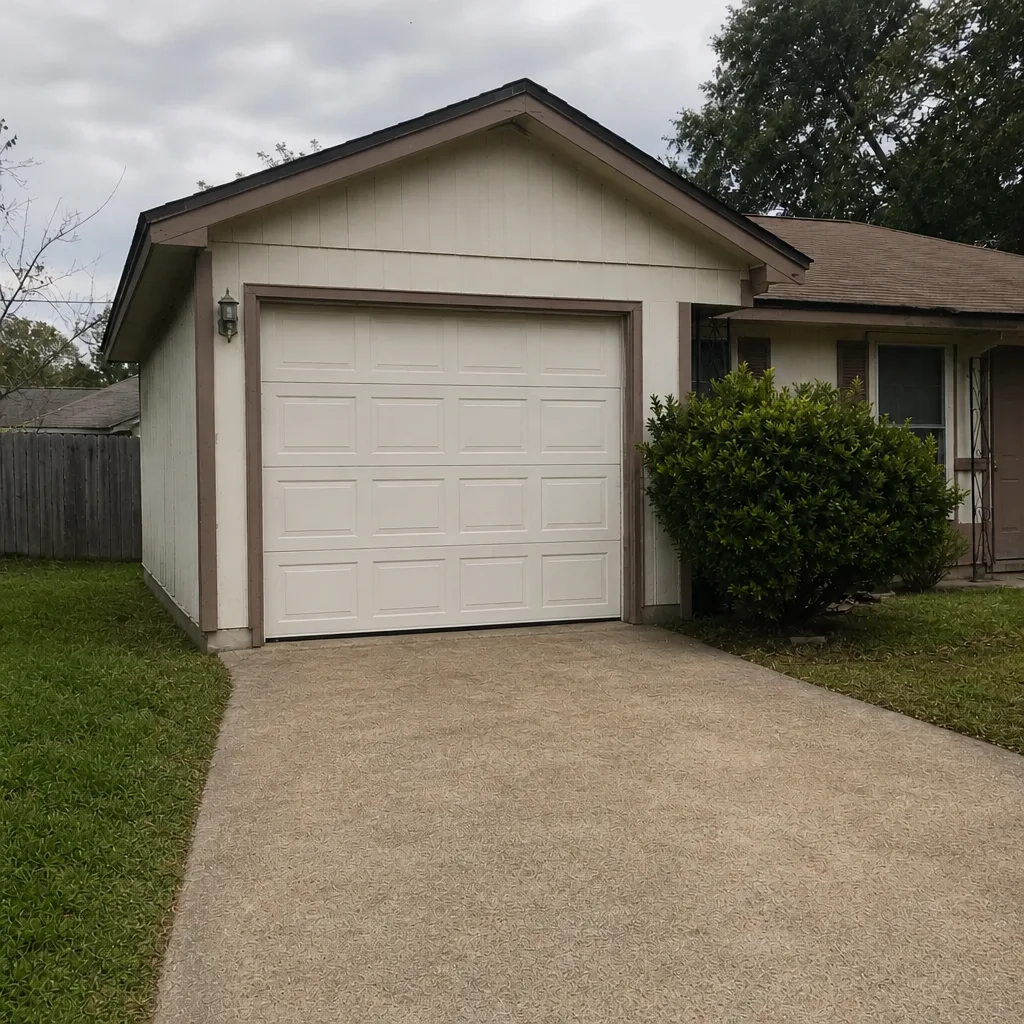 After
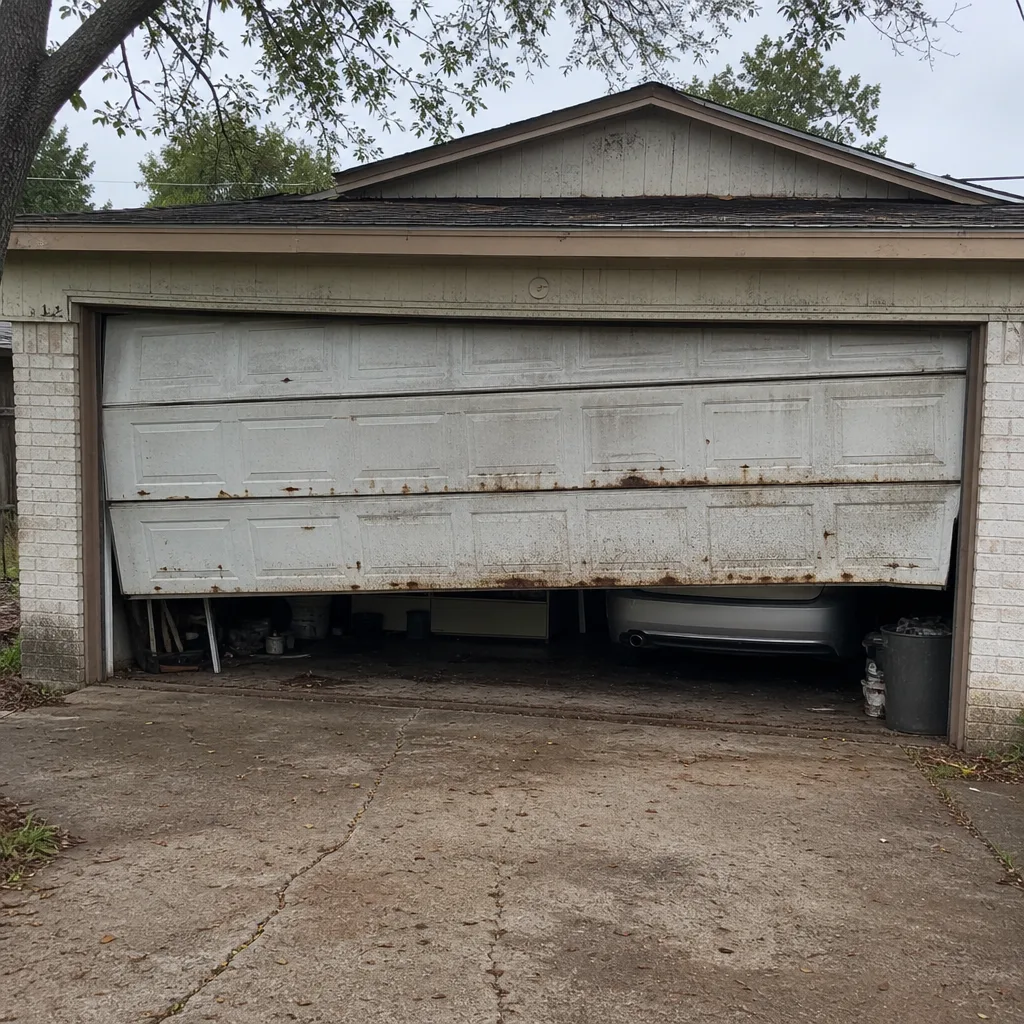 Before
 After
 Before
 After
When to Call a Professional
Some garage door jobs belong to a trained technician, and calling early is cheaper than waiting for a failure. Call us when you find a broken or visibly corroded torsion spring, a cable that’s frayed or kinked, a door that’s come off its track, or an opener that won’t reverse on contact. Call us when the door is out of balance, when a roller or hinge has failed in a way you can’t safely replace, or when the whole system is old enough that the next repair is throwing money at a door that needs replacing. And call if a top-section panel has cracked or the door is sagging, since both can put strain on the opener. Clear Lake Garage Door Repair offers free estimates in Clear Lake, so call (833) 508-9162 and we’ll take a look.
Frequently Asked Questions
Every three months for the hinges, rollers and bearing plates, because Clear Lake’s humidity and heat work on the moving parts faster than they do in a drier climate. Use a lithium-based or silicone grease, never a thin spray oil on the springs.
No. Torsion springs are one of the most dangerous components in a garage door system, and a spring under load can cause serious injury if it slips. Leave spring replacement to a trained technician with the right equipment, and never lift a door with a broken spring.
That’s usually a misaligned photo-eye sensor, dirt on the sensor lens, or a force setting that needs adjusting on the opener. Try cleaning and realigning the two sensors first, and if the door still won’t close, a technician should check the opener settings. Call (833) 508-9162 for an exact quote, and estimates are free.
If the bottom seal has gone hard, chalky and crumbles when you rub it, it’s past its service life and needs replacing. Molded rubber that’s still springy and flexible is fine; a crumbling strip lets in water and should be swapped out.
A quarterly check is what you can safely do yourself: inspect, lubricate, test the safety systems and check the seal. A professional tune-up adds a trained spring and cable inspection, door balance and travel adjustment, and force setting calibration, which are the steps that need a technician.
A squeal is usually a dry hinge, roller or drive component, and light lubrication at the pivot points often quiets it. If the noise continues after lubrication or the opener strains to move the door, the drive parts are worn and a technician should look at it. Call (833) 508-9162 and we’ll take a look.
The Bottom Line
A garage door maintenance checklist works when it’s a sequence, not a list. Inspect before you lubricate, lubricate only the right parts with the right product, then test the auto-reverse and photo-eye so you know the safety systems actually work. In Clear Lake, the humidity makes spring corrosion the first thing to watch, and the heat makes a crumbling weather seal the most common small failure. Do the quarterly tasks yourself, book the annual tune-up, and leave springs, cables and any door that’s off its track to a trained technician. The whole routine takes a short amount of time each quarter and a call now and then, and it’s what keeps a daily-use mechanical system running for the long haul.
If anything on this checklist turns up a problem, or you’d rather have a trained eye go through the door from top to bottom, call Clear Lake Garage Door Repair at (833) 508-9162 for a free estimate. Our technicians have up to 9 years of experience and work on the brand already in your garage, from LiftMaster and Chamberlain to Genie and Clopay. We handle repair, opener service, spring replacement, parts and new installation as one call, full service. That’s the whole point of a garage door specialist: your garage door is a daily-use mechanical system, and it deserves someone who knows the mechanics, not a generalist.
Written by the team at Clear Lake Garage Door Repair.